Metroid Prime 4 Switch 2
Image: Jim Norman / Nintendo Life

After nearly two decades of dormancy for the series and an infamously drawn-out development cycle, it feels slightly surreal to now have Metroid Prime 4: Beyond in the rearview. The game arrived under immense expectation, and it’s fair to say it ultimately proved more divisive than Nintendo and developer Retro Studios had hoped.

If Metacritic scores are anything to go by, Prime 4 reviewed well but stopped short of the near-universal acclaim enjoyed by the original trilogy. It’s been described as a game of ‘high highs and low lows,’ a characterisation that I feel broadly holds true. In hindsight, though, it’s a game I wish I could have experienced with less of the noise that surrounded it.

Subscribe to Nintendo Life on YouTube841k

I was initially quite riveted by the game’s opening hours, but was taken aback after going online to find much of the gaming commentariat lambasting the title as an epic disappointment, if not an outright failure. As I pushed on with my playthrough, that narrative began to colour the experience itself, becoming almost as intrusive as Prime 4’s NPCs.

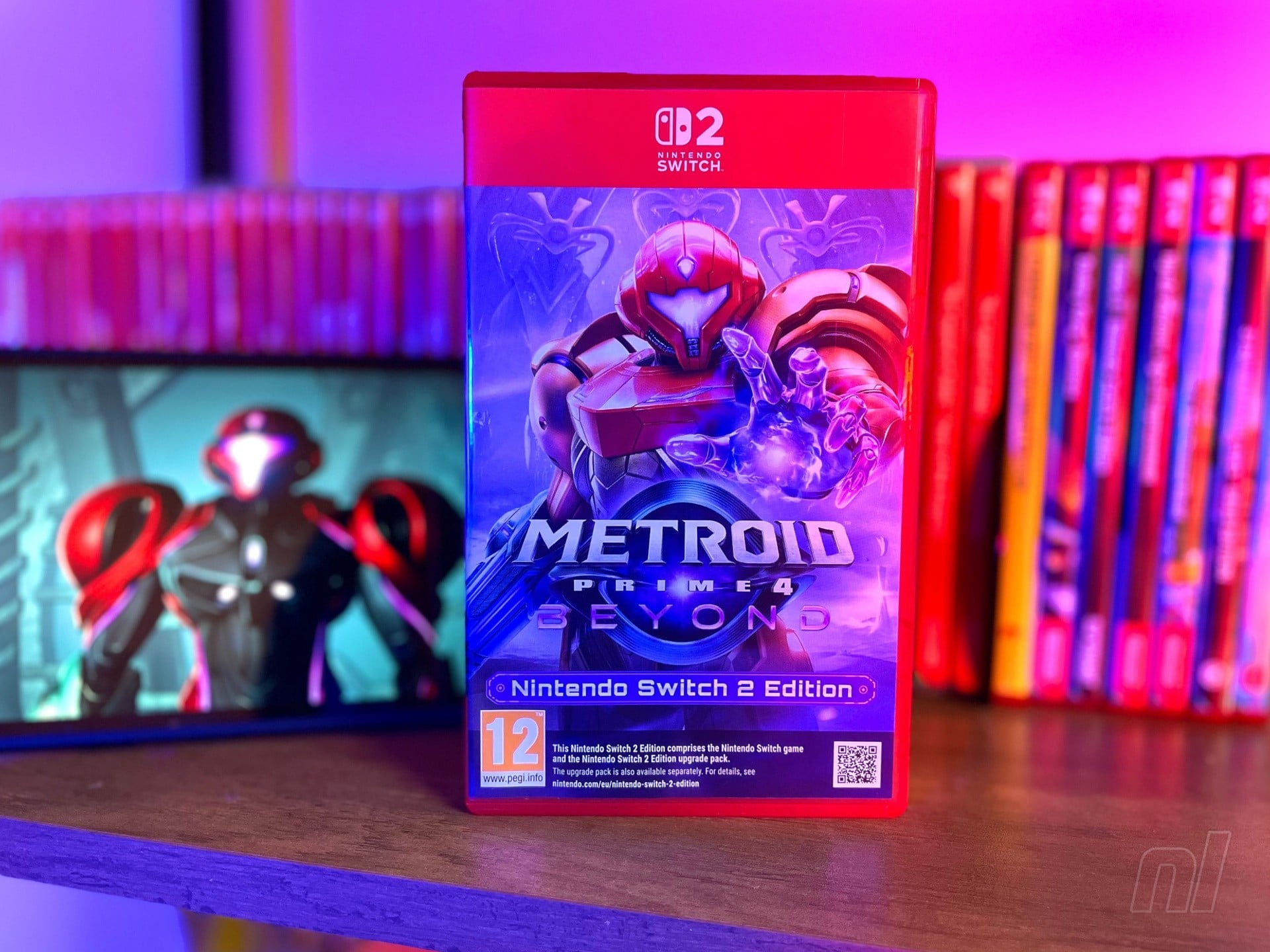
Algorithm-chasing YouTube critiques, searing post-mortems, finger-pointing at its troubled development history, and a relentless focus on what Prime 4 wasn’t seemed to characterise the mood following its release, making me feel like I was playing a fundamentally different game from the one being litigated online.

I found myself mentally auditing and second-guessing my own enjoyment.

That’s not to dismiss criticism of the game, because there are certainly aspects that deserve it. Too often, though, the discourse felt less like measured appraisal and more like performative dunking. It felt like not enough was being said about what Prime 4 does right, such that I found myself mentally auditing and second-guessing my own enjoyment.

The backlash was initially surprising because I felt it was generally delivering exactly what a Metroid Prime game should: It’s a technical showcase; its controls are sublime; its world design is visually stunning; it offers exploration, scanning, and plenty of well-hidden items; its boss fights stand shoulder-to-shoulder with the best the series has ever produced.

Having recently revisited the series with Metroid Prime Remastered, Prime 4 feels like it takes gameplay cues from that lauded entry while opting for far more linear biomes that feel more approachable to newcomers. Still, moment to moment, I found it harder to put down than any other major first-party release of the current hardware generation.

I even enjoyed Sol Valley, the desert hub world routinely derided as an empty, 'half-baked' open world. People misread the intent of this space – it exists as a palate cleanser to blast through on the fun-to-control Vi-O-La bike between tense sessions of dungeon-crawling in tight corridors. With a few collectibles, lore, and story beats to discover, it does what it should.

Admittedly, Prime 4 manages to repeatedly break its own spell with its narrative choices. Metroid’s traditional strengths of isolation, atmosphere, and player-driven discovery are all there, but it really fumbles in delivering a coherent character-driven story. Its attempts to do so more often than not felt like tonal misfires that broke my immersion.

That dissonance was, for me, most apparent in the game’s use of NPC companions whose quips and chatter just felt wrong in a Metroid game. After decades of largely solitary adventures, there’s an obvious temptation to push Metroid toward a more character-driven structure, especially in a game positioned as an entry point to the series.

But in this case, the execution of that premise — along with sequences that felt closer to a conventional, dialogue-driven campaign shooter — understandably felt like too much of a departure from what defines Metroid. While I don’t believe Prime 4 deserved the pile-on it received, I won’t deny feeling somewhat conflicted once I rolled the credits.

I have my own qualms with the game, but I still struggled to reconcile them with how much of the conversation had already settled on Prime 4 as a disappointment. The conclusion I’ve reached is that the game was judged both on what it actually is and on what it was supposed to represent as the long-awaited successor to a near-mythic trilogy.

After years of anticipation, the bar wasn’t simply high. Prime 4 was expected to justify its own resurrection, to reaffirm the legacy of its namesake series, and to reward years of fan patience with something transformative. Anything less than a series-defining triumph was always going to be framed as a letdown. Being 'good enough' was never going to be enough.

7

Stripped of the hype and the scrutiny, though, this is a game that succeeds far more often than it stumbles, one that repeatedly compelled me to keep going long after I should have stopped, one that I deeply enjoyed playing. How it will be remembered remains to be seen, but I wouldn’t be surprised if hindsight proves kinder than the moment it was released into.