
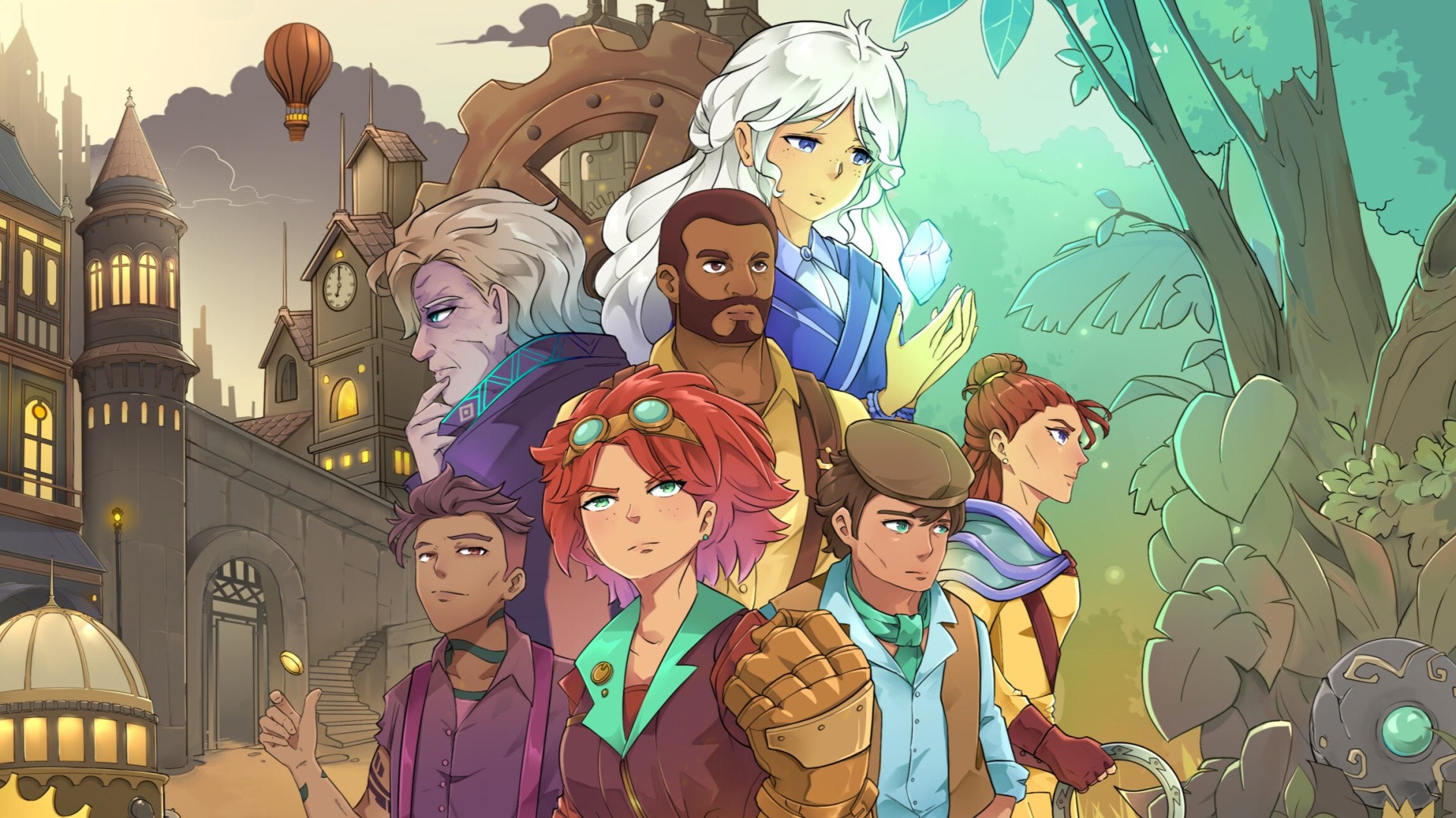
I’ve become a little wary of the plethora of gorgeous retro pixel-art RPGs that keep popping up in recent years. I’m talking about the games that are inspired by classics such as Chrono Trigger, Final Fantasy, and EarthBound, or sell themselves as spiritual successors.
These often look the part, sucking me in with stunning colours, extravagantly detailed spritework, and the promise of the magic of the classics. Except they often completely misunderstand what made those classics great, going for a rehash of ideas or simple pastiche rather than do something original with the inspirations.
 Watch on YouTube
Subscribe to Nintendo Life on YouTube845k
Forge of the Fae, from indie developer Datadyne, does name-drop a few of those SNES gems mentioned -hours with an early-game demo on Steam, I think it’s doing just enough to feel a little different, while still feeling like an old-school turn-based RPG you could play on a near-16-bit console.
I think it’s because Datadyne doesn’t just lead with those inspirations, instead championing Celtic myth and culture in a lush world filled with verdant, rolling hills, cosy towns, and snippets of steampunk. Breath of Fire is a part of it, too, but this is an RPG with more-mythical inspirations at the forefront.
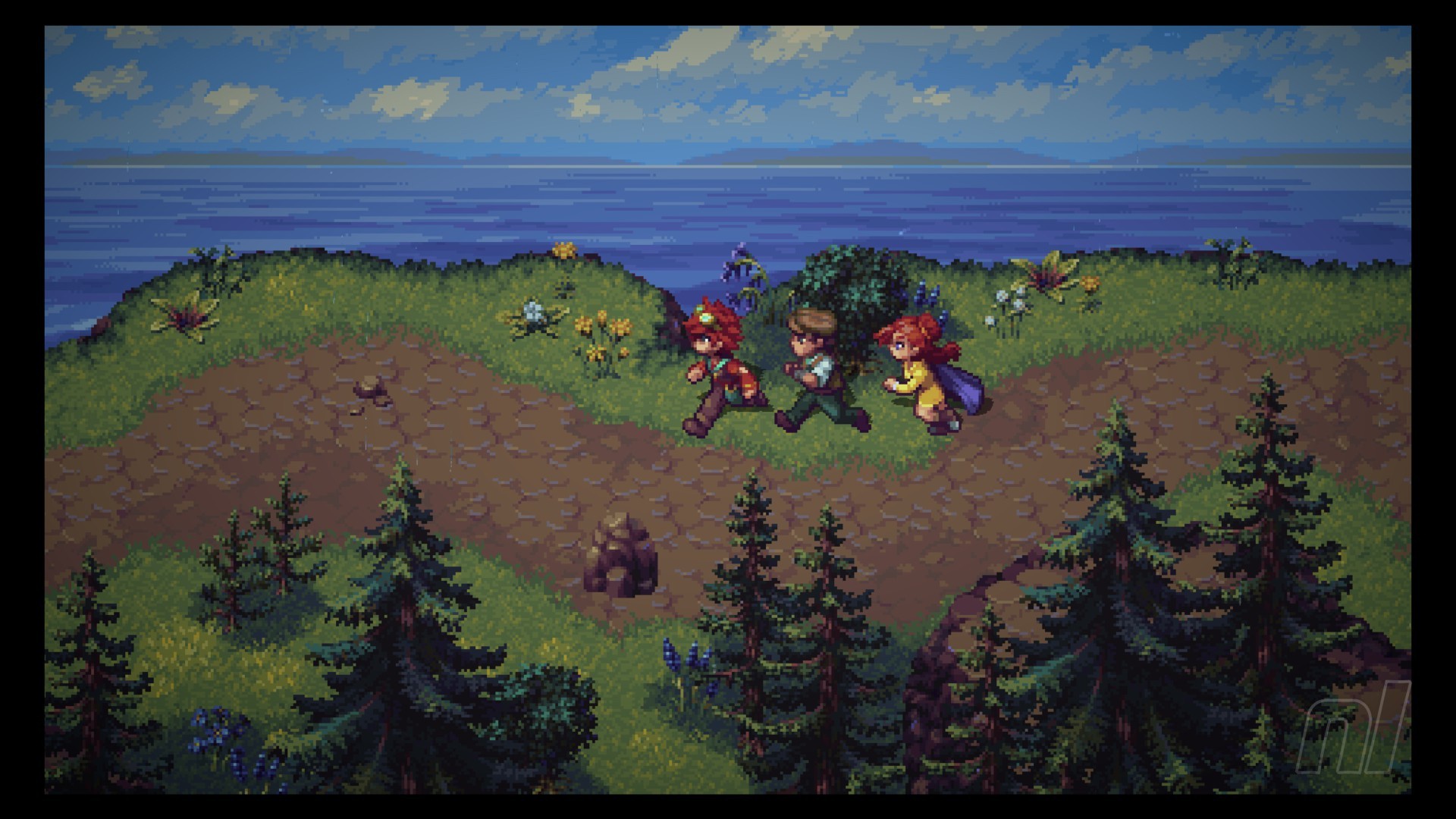
We’re going beyond your typical Gae Bolgs, Banshees, and Cu Chulainns here – there are Glens aplenty, waystones in faerie rings, Irish flutes and fiddles and bagpipes woven throughout the soundtrack, and a healthy dollop of working-class miner culture to boot.
Throughout the few environments I’ve seen so far, Forge of the Fae’s world is lovely, filled with soft, welcoming greens and sparkling blues. Tiny springs drip down cliffs and cave walls everywhere you look, and when you run through a field of flowers, dandelion spores float up into the air. In the Glens, there are spots where you can see the sunlight breaking through the trees, lighting up patches of grass.
Even the more built-up areas like the warehouse, shaded in darkness and suspicious characters, and the city of Taliesin, lined with cobbled streets, steam-puffing machinery, and disgruntled protesters felt both magical, realistic, and a little bit homely – if I were from a steampunk Irish-inspired world.
It’s enticing to explore, too, with treasure chests tucked behind trees and a handful of puzzles where you need to hop across gaps and navigate screens to reach other useful items. There are a handful of different cave and mining dungeons in the early hours of the game, but the devs manage to make them feel fresh by adding different enemy encounters and layouts to them.
So, this is a game about working people, magic, and steampunk. Fiora, the main character, is a brilliant engineer who works with magical crystals to help power her inventions. She’s even created a mechanical faerie that follows the party around and helps with environmental puzzles. She’s not great with people, but she has managed to make a few close friends who trust her dearly. And I got to meet and play with all of those friends during the demo.
In classic RPG tradition, Forge of the Fae swaps your party around as characters leave, split up, and rejoin at numerous points. The demo opened up with Macklin, a young miner and son of an innkeeper who has a particular beef with the mining company; he’s chipper, naive, and loves to eat.
Then there’s Ceili, the spunky owner of a bakery who’s infectiously bubbly but also has a temper. She’s my favourite, with some excellent eye-rolling and huffing animations to boot.
So far, the characters do feel a little cookie cutter, but I also don’t have a real sense of their backstories. Mac’s has at least been hinted at, but this only covers roughly a third of the game, so I’m sure there’s a little spice to each of the party to come.
Fortunately, they all play different roles in combat, which is probably the highlight of my playtime here. Fiora is all about setting up traps and prepping the party for high damage, while the party’s father figure Roark is a defensive powerhouse who can cast defensive spells and take a few tanky hits.
Again, nothing too surprising; this is traditional turn-based combat as you know it, at least initially. But Forge of the Fae does add a handful of extra gears — quite literally in one case — to the formula that help to set it apart.
First up are Adrenaline Points (AP). These allow each character to access their Surge skills. You build these up by taking hits from enemies, and can charge up to three bars of AP, which alters the strength of the surge.
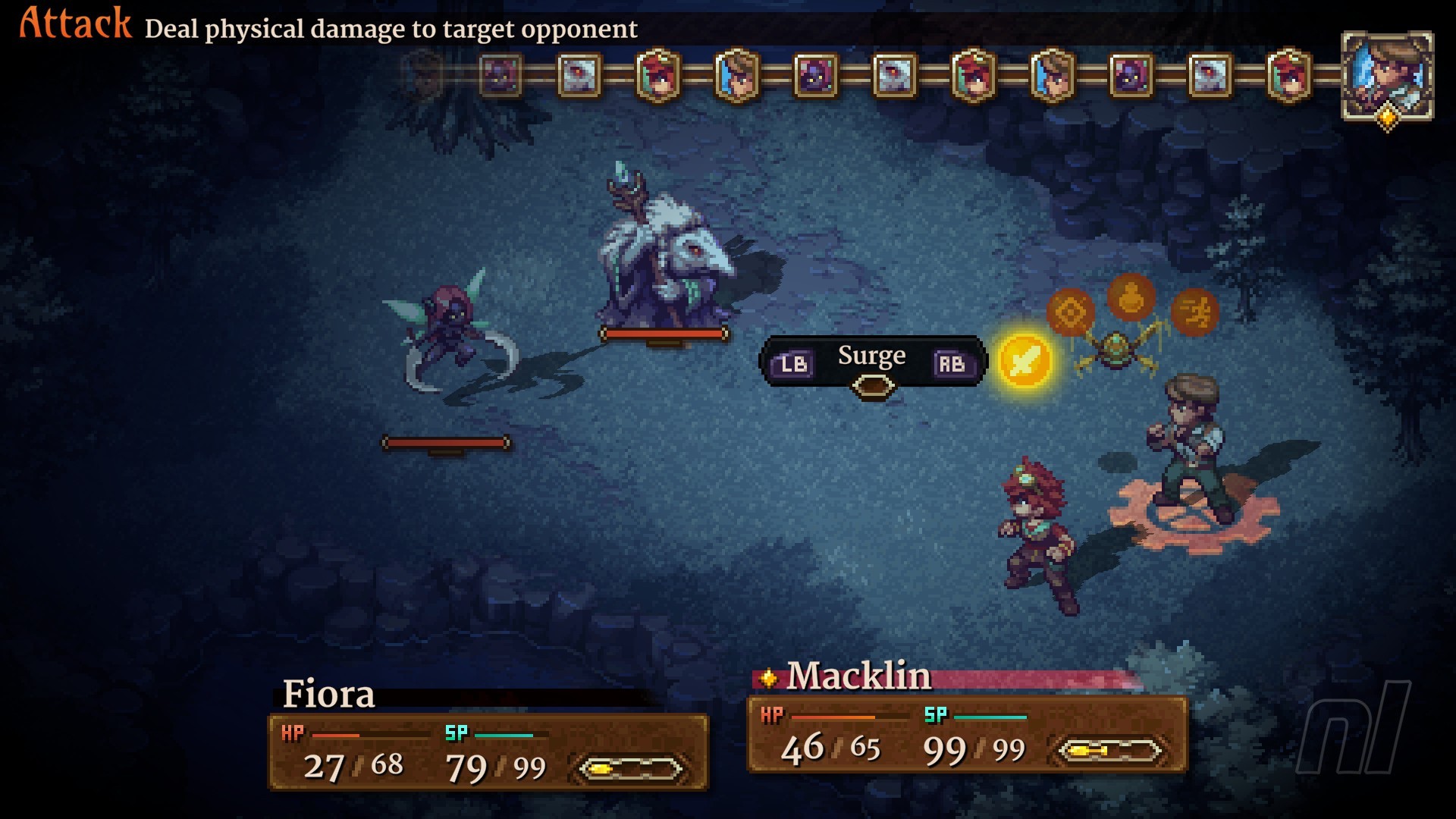
Mac, for example, can increase his ability to stagger an enemy for one turn with one charge. Two charges grant him more stagger power, while three adds knockback, which is basically a guaranteed stun on the enemy, even a boss.
The very final boss of the demo, I used this to my advantage, stacking that stun with the rogue Sullivan’s poison and bleed skills and mysterious mage Draeya’s ability to borrow her companion’s elemental properties. With all of this combined, I took down the boss's health by over three quarters in just a single turn.
I’m already thinking about how to combine Surges like Fiora’s weakness-enhancing abilities and Draeya’s elemental skills, and I can see just how deep this might go, especially with the ARC Crystal System. This gear-based system, invented by Fiora, allows characters to equip crystals to give them access to magic spells.
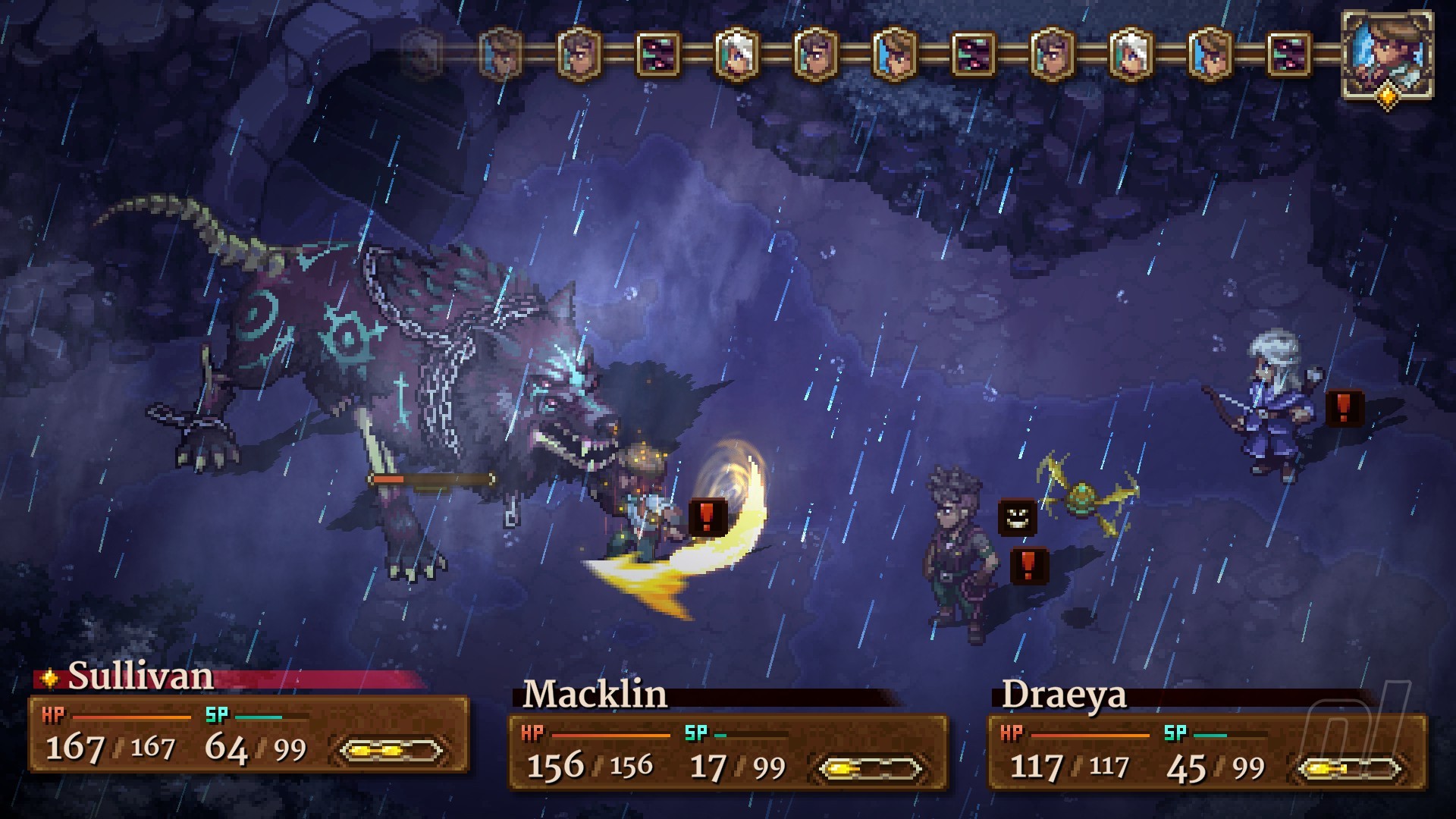
Each character has an innate element — Fiora is fire, appropriately — and with a crystal equipped, not only do they get a matching spell, but depending on the placement of the crystal, it’ll apply elemental properties to a skill to form a Combo Skill. I only had access to a handful of crystals and one slot on each character, but again, the potential seems to be limitless. Sullivan’s poison skills, one of which cost 0 SP (yes, really) were invaluable, and I can already see how Fiora’s already-busted trap skill will do a huge amount of damage with some extra firepower.
Lastly, if you spend a lot of time out exploring, then you’ll also get to see how the world changes between day and night. You can see the sun setting as you run around the Glens, drenching the world in amber before the darkness embraces. It doesn’t just change the visual design, though – it also affects combat.
During the day, enemies are regular strength and you recover SP for every standard attack that connects. At night, that SP regeneration is removed and enemies are much tougher, so deciding when to get into fights and when to run is crucial.
There are just enough little perks and tweaks, then, that Forge of the Fae has some real potential to stand out from the crowd. I think SP regeneration is a little harsh right now — especially when so many skills cost well over a third of your SP bar — and even though items for healing (which you can also craft) are aplenty, you’ll still burn through them quickly.
Fortunately, we’re still around a year from release on Switch, and I really hope that Datadyne leans into those Celtic roots even more. I’ve seen the faeries lash out at nighttime, I hear the plights of the miners and the scepticism of magic and waystones, and I’ve jigged to the catchy music. I think it just needs a bit more personality, and hopefully, that’s waiting in the full release.
Thanks to PR Hound for the opportunity to check out Forge of the Fae. The game is coming to PC (the Steam demo is available now) and all consoles, including Switch, in 2027. Let us know if you've been charmed in the comments below.