
Hopefully, many of you are enjoying an end-of-year break over the holidays, but even if you're back at the coalface before the new year arrives, we recommend making time to check out this fascinating new overview documentary of the NES' US launch from Frank Cifaldi and the folks over at the Video Game History Foundation.
Building on his years of research, and following on from the excellent panel at the Portland Retro Gaming Expo back in October (featuring NOA veterans Gail Tilden, Lance Barr, and Bruce Lowry - we'll embed the archived video at the bottom of the page), this new 45-minute video went live on Christmas Day and explores the ins and outs of the Famicom's journey to the US, its transformation into the Nintendo Entertainment System, and how its New York test market launch set the system up for monster success in the second half of the 1980s.
 Watch on YouTube
Subscribe to Nintendo Life on YouTube845k
Cifaldi presents a condensed timeline of events, bringing together materials from the VGHF's archive with other sources for a brilliant, fresh look at a story you may think you know well. Starting when an initial deal with Atari fell through, which led to Minoru Arakawa and his Nintendo of America team wondering if they themselves had the means and wherewithal to bring the system to the US, Cifaldi highlights discouraging feedback from various rounds of focus group testing and advice, which NOA thankfully ignored.
Nintendo fans may believe there's nothing new to say about this much-told story, but the VGHF team does a great job of working in new tidbits and putting the record straight on points you think you know.
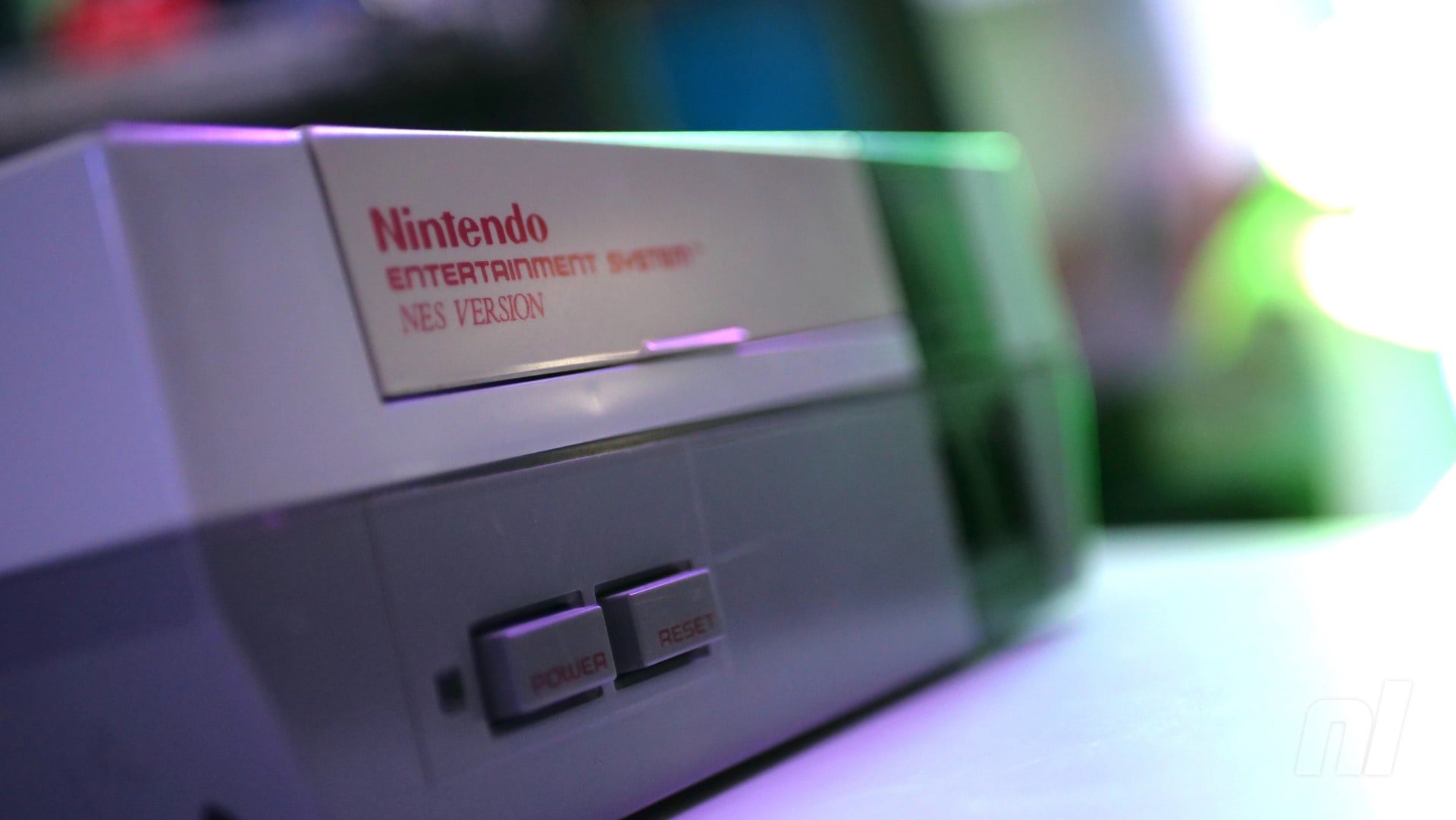
For instance, yes, Lance Barr headed the industrial design for the Westernised Famicom hardware (using Bang & Olufsen's sleek hi-fi gear as inspiration for the shell), but did you know that the thick 'brick' we all know and love — well, we all know it, at least — was actually the work of NCL's engineers riffing on Barr's efforts?
The team at Nintendo's Japanese parent company, worried about dust getting into the slot of a top-loading console, took Barr's sexier, B&O-inspired design (known as the AVS before it became the NES) and bulked it out massively to include the front-loading cart mechanism. Barr himself was disappointed with the resulting 'lunchbox' when it appeared.
Even if you did know that already, you're guaranteed to find new info in the essay. The 45 minutes fly by, it ties up the opening Atari thread beautifully at the end, and we highly recommend settling down with it between now and the new year.
And if you're so inclined, head over to gamehistory.org/donate to find the VGHF's Winter Fundraiser and support Frank and the team's excellent work.