 by
by 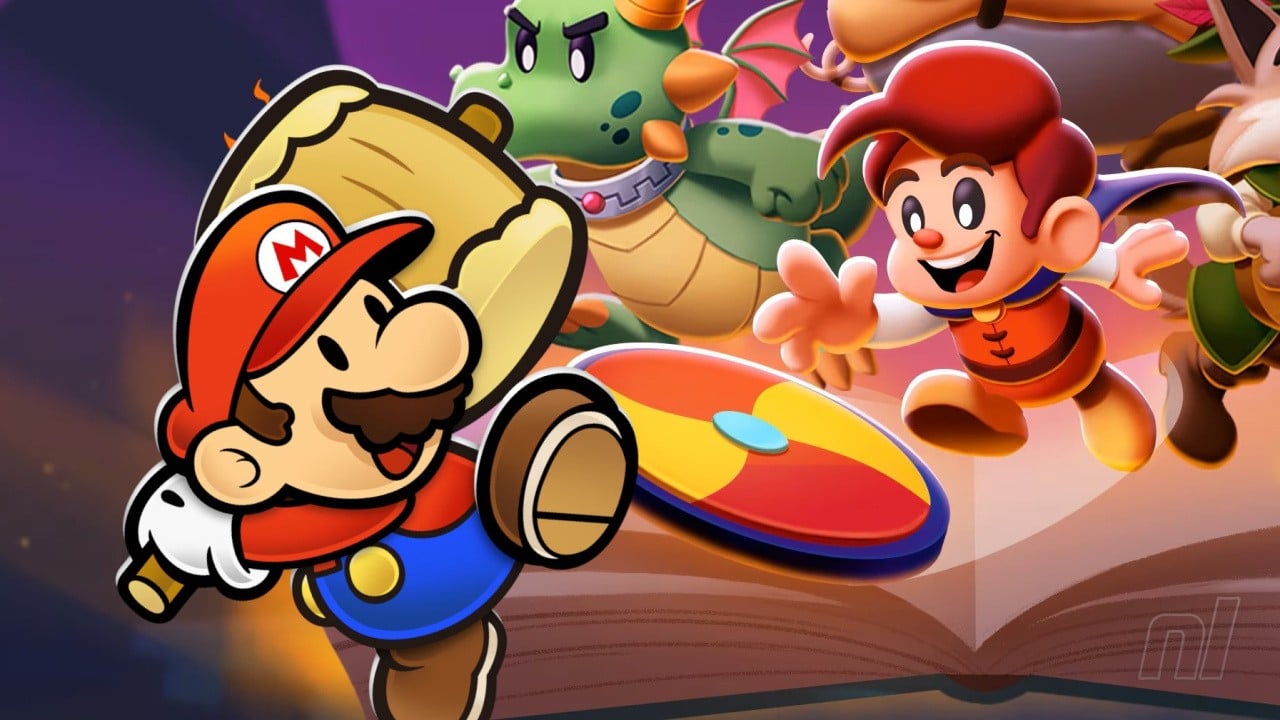
Escape from Ever After is the heir apparent to the Paper Mario: The Thousand-Year Door throne. Sleepy Castle Studio released it on 23rd January to all major platforms with a simple promise – deliver Paper Mario fans the game they’ve been clamouring for ever since Nintendo chose to shift the series away from its RPG roots.
Other games have tried. Born of Bread and Bug Fables come to mind as two examples that accomplish some of their goals, but overall come down as lukewarm clones of the nostalgic blast of joy that TTYD delivers.
 Watch on YouTube
Subscribe to Nintendo Life on YouTube847k
The Thousand-Year Door was the second instalment in the Paper Mario series, and it’s the game that fans still hold up as the pinnacle. Originally released as a GameCube exclusive on 11th October 2004, it remained unrivalled in its humorous joy, graphical whimsy, and surprisingly elegant mechanical depth for well over 20 years…until Escape from Ever After came on the scene.
You play as Flynt Buckler, a valiant knight from a children’s fantasy story who is heading out for another face-off against his sworn rival, Tinder the Dragon. However, when Flynt reaches the dragon’s castle, he is met with the corporate headquarters of his story’s “new owners.”
A jovial middle manager named Mr. Moon offers Flynt a job at the corporation, but he declines and is thrown in jail where he meets Tinder, who has been shrunken down to size by Ever After Incorporated’s advanced technology. From there, knight and dragon set out on a journey to take down the company from the inside.
Trading Paper Punches: Round 1
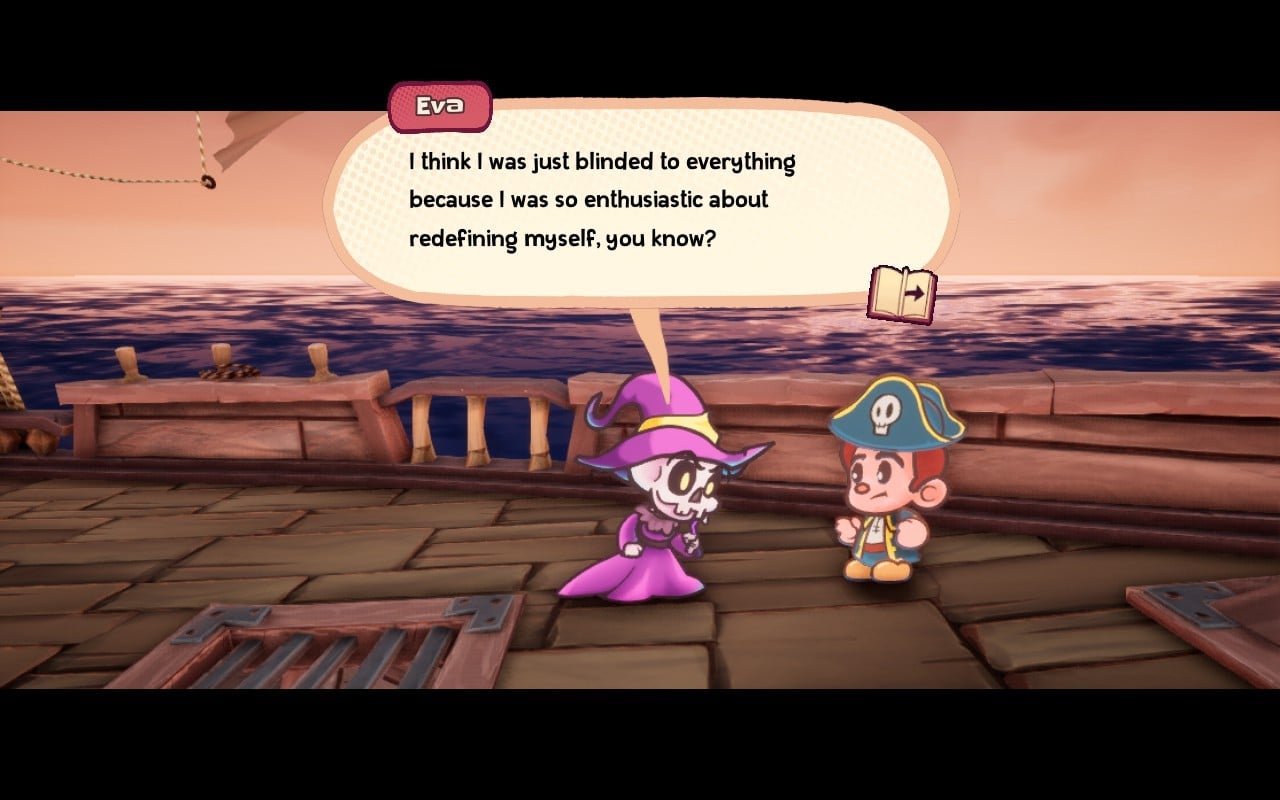
It’s time to pit these two great games against one another. Since The Thousand-Year Door has nearly double the chapters of Escape from Ever After, I’m going to break up the two games into thematic sequences and discuss them in turn. I’ll start with the prologues and beginning chunks.
Warning: This section contains plot points and spoilers for both games. If you haven't yet, go play them first!
The Thousand-Year Door has an iconic opening, with Mario waking up in a first-person cutscene on a ship bound for Rogueport, a sordid town full of salty scoundrels. Throughout the prologue, we’re introduced to the game's off-kilter world and lore, including the first of Paper Luigi’s many long-winded anecdotes. This is but one example of TTYD’s distinctly weird and wonderful tone.
From there, Mario embarks on the first of his adventures to face a dragon in a castle. This is the exact type of fairytale trope that Escape from Ever After plays with in its dynamic between Flynt and Tinder.
Paper Mario’s second chapter, The Great Boggly Tree, is a mystical exploration of a puzzle-filled tree of life. There are some herding-based head scratchers included here that I think mar the flow of the game to a degree. Still, the chapter ends with an introduction to Madame Flurrie, TTYD’s most eccentric companion, ending the game’s first chunk on a high note and delivering a haymaker to its spiritual sequel right out of the starting gates.
Escape from Ever After, for its part, starts off strong with Flynt’s disorienting orientation to the capitalist tentacles of Ever After Inc. Flynt and Tinder's dialogue strikes a nice balance between snarky banter and efficient tutorial.
Then, they embark on their first adventure in the Three Little Pigs storybook, a level that sets the tone for the game as one that mixes humour with commentary about the role art has to play in a society built on capitalist moneymongering.
In spite of the opening’s clever puzzles, funny dialogue, and competent boss fight, it can’t quite hold a candle to the plumber’s barrage of clever hubworld introduction and iconic companions. Mario takes round one.
Spooky Town Tango: Round 2
The Thousand-Year Door’s middle section includes the most iconic stage in the game: Glitzville, home of the Glitz Pit, which is essentially the Mario-fied version of the WWE.
The gameplay becomes almost roguelite, with increasingly difficult battles broken up by opportunities to rest and re-spec. The story and humour in this section are spot-on and entirely emblematic of the reasons this particular Paper Mario is beloved across fan communities.
Next, Mario and friends travel to Twilight Town to retrieve a Crystal Star from Creepy Steeple, a place where every time the bell at the top of the steeple rings, one of the people in town transforms into a pig. Despite the spooky yet comic themes of this world being right up my alley, the Twilight Town chapter reads to me as one of the weaker entries in the game. The combat feels similar to the chapters before it, and the overall environmental gameplay doesn't do enough to distinguish itself from other chapters.
The game brings back the heat in its following quest for the pirate lair after the Creepy Steeple mystery is solved, and its dramatic irony is pumped up yet again by Lord Crump disguising himself and sailing along with Mario for this section. It would be a near-perfect howitzer if not for the drag in its spooky tale.
Escape from Ever After punches back in a big way by reaching tonal perfection in a horror story of its own.
First, Flynt and his band infiltrate the forbidden section of the castle library to find their next storybook to travel to. It’s called The Shadow Over Innsbeak, a mash-up of classic Lovecraftian monsters, Sherlock Holmes mysteries, and…birds?
As you can imagine, this strange concoction leads to unmatched weirdness, imaginative turns, and outright hilarity. All that needs to be said is that Sherlock Holmes himself ends up falling in love with Cthulhu. I’ve never been more grateful for the public domain in my entire life.
Escape from Ever After follows this unlikely love story up with a very solid pirate arc. One that counterpunches Paper Mario blow for blow, cementing an undeniable conclusion for this round: Escape from Ever After emerges victorious!
Final Fight: Round 3
That brings us to our final round, with the two games trading strikes like prize fighters.
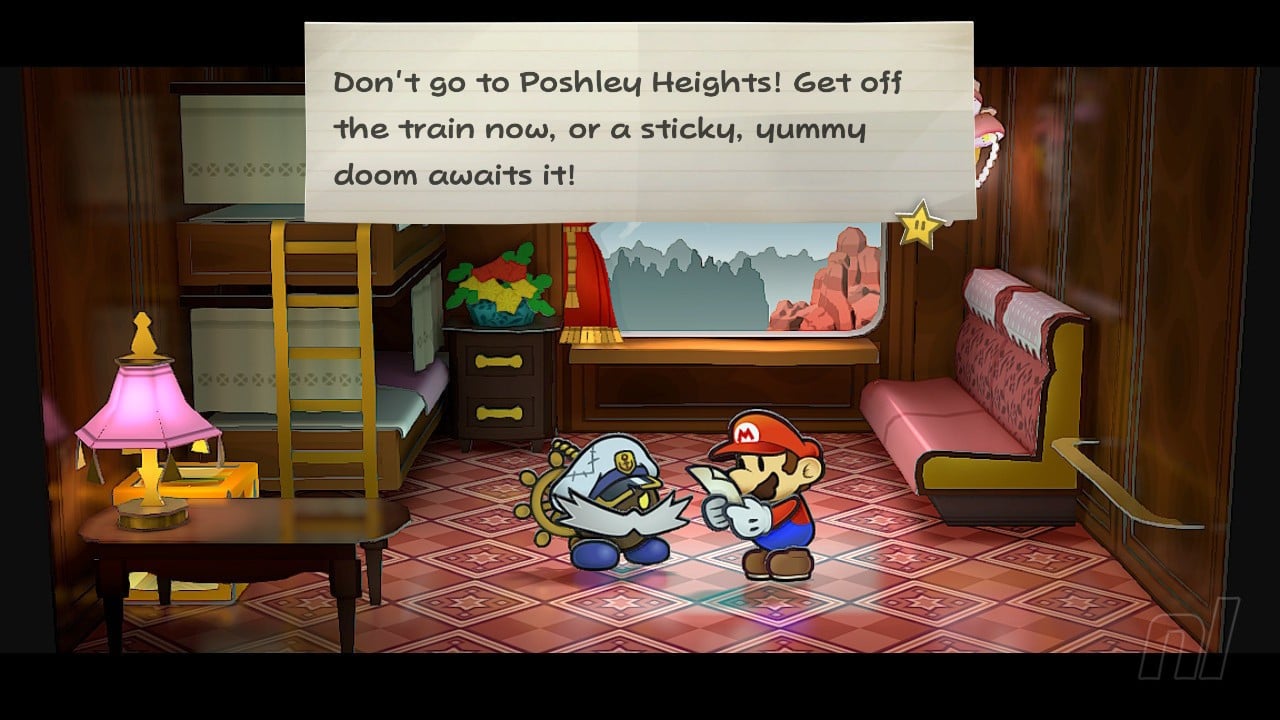
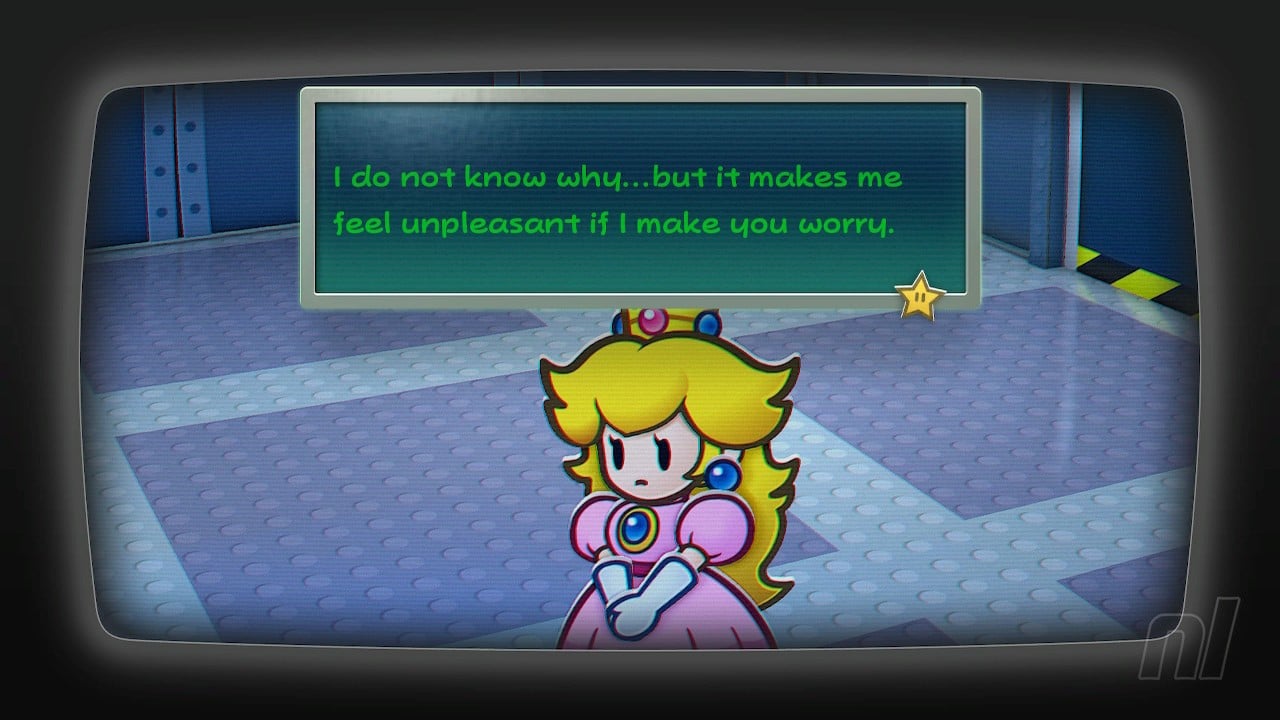
The Thousand-Year Door brings its band of heroes to a ritzy town. Then to a frosty outpost full of well-rendered Bob-ombs, each with their own stories to tell. Then to…the moon?! And it’s all complete with playable Peach scenes and twists that will bring a smile to even the most surly trope-hunters.
For its part, Escape from Ever After races through its finale, with a charming sci-fi romp on a snowy, Hoth-adjacent planet before the characters have to dip into Mr. Moon’s storybook for a confrontation with their middle manager. The game’s writing absolutely shines at this juncture, propelling the characters toward their confrontation with Ever After Inc.’s CEO in the “Real World.”
Escape from Ever After is a special game, made all the more impressive by sticking the landing required by its ending. It has a lot to say about art, authorship, love, and the power of stories.
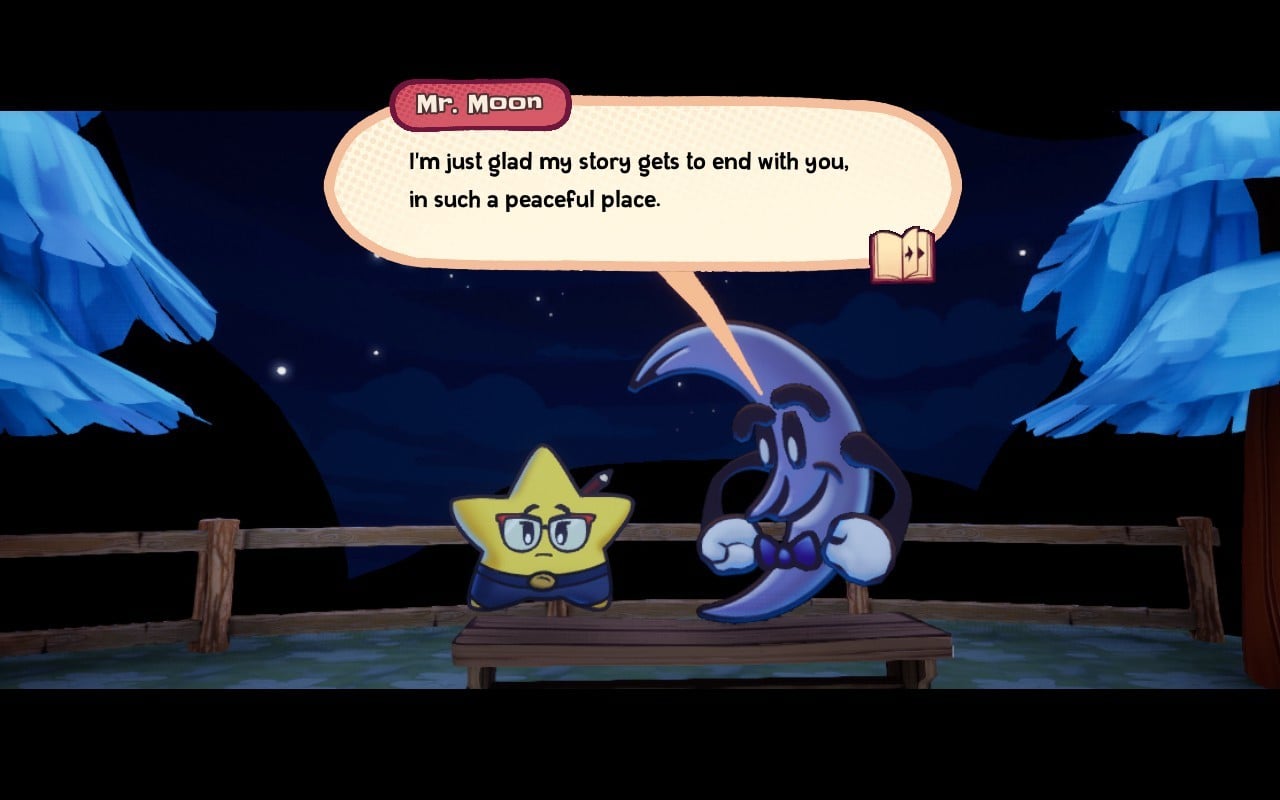
Still, The Thousand-Year Door is a classic for a reason. My love of the grizzled Admiral Bobbery and the charmingly forward Ms. Mowz is the reason why the original edges out Escape from Ever After in this final round. Yes, we can conclusively raise the fist of the reigning champion, yet again. All hail The Thousand Year Door, the undefeated winner.
Finally, A Worthy Heir
Still, the fact that Escape from Ever After ranks alongside the undisputed champion is a huge accomplishment.
The reason this new game gets the job done where similar attempts have failed is in its writing and characterisation. Tinder, Wolfgang, Eva, and Patches are each zany, funny, and heartfelt in turns, and – though they aren’t quite as batty as TTYD's cast of weirdos – they have even more to say about the “Real World” that they’re questing for. These companions’ interactions with Flynt and the characters they meet along the way have given me hope in a new year that hasn’t had a whole lot of good in it to date.
This is Escape from Ever After’s magic trick. The writing, alongside its tight combat and fine-tuned environmental puzzles, strikes that elusive balance that made The Thousand-Year Door a classic. Great for kids and adults alike. Taking itself just seriously enough to drive its message home. Full of laughter but still with so very much to say.
From start to finish, Escape from Ever After is a love letter to the idea that good games made with care still have a place in our broken world. It strives to convince us that beauty, art, and humour can be a balm to the darkness we see all around us. It tells us that, even though all stories are bound to come to an end, there is so much value in finding joy in what we love and the folks we choose to spend our time with. And if that’s not a thesis for why I play games in the first place, then I don’t know what is.