 by
by 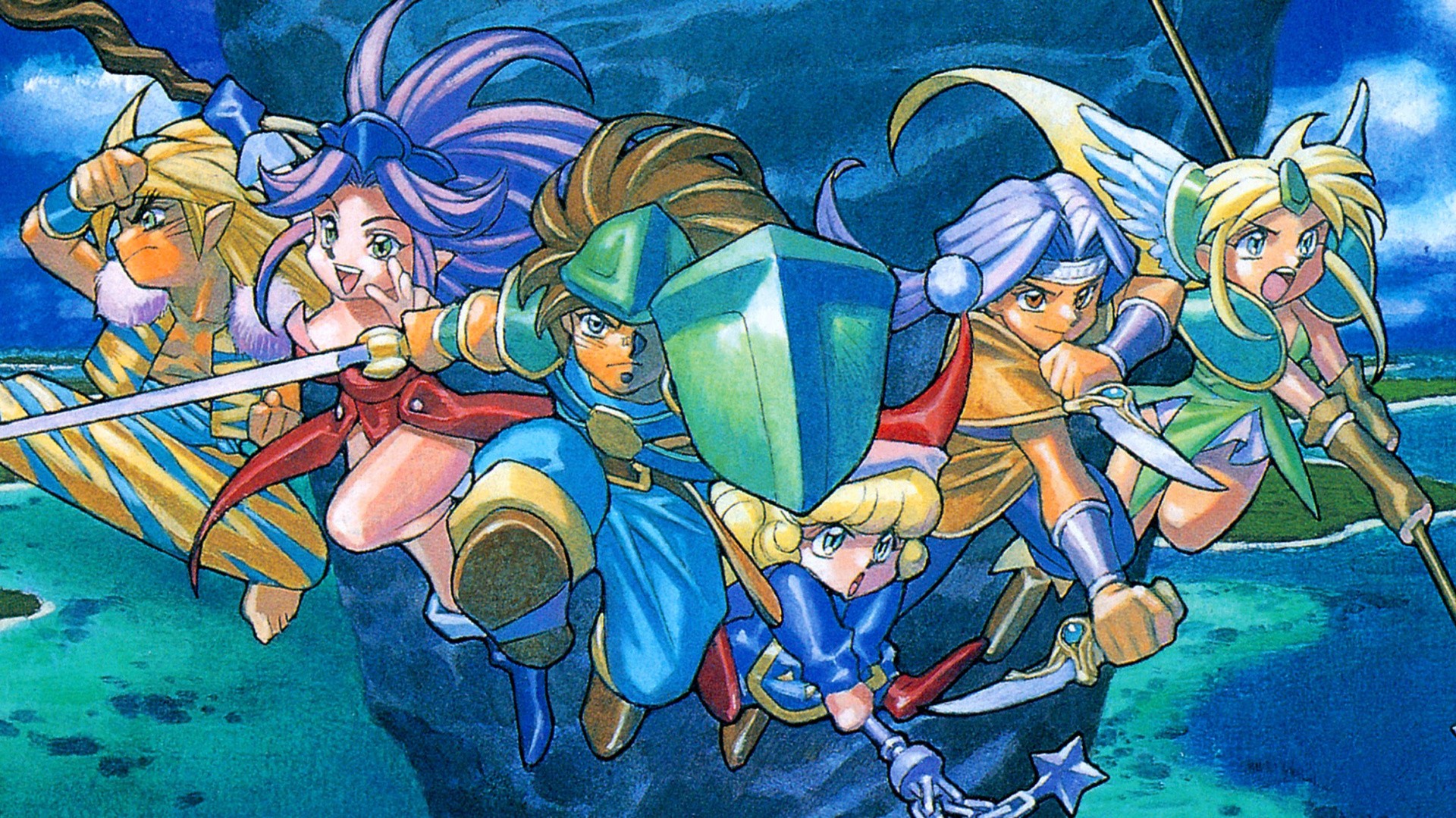
Who doesn’t love a job or class system in an RPG? From endlessly levelling jobs and sub-classing skills in Final Fantasy V to building the perfect teams and pairings in Octopath Traveler, classes bring a level of customisation and character that feels pretty unique to the genre.
But while most games allow for a God-like amount of tinkering and levelling, there’s something to be said for the more restrictive class systems. Those that set your characters in a base class and allow them to change according to a class tree, branching down different paths that change the style and impact of that character.
Subscribe to Nintendo Life on YouTube852k
It’s for this reason that I love Seiken Densetsu 3’s class system. It’s deceptively simple, relying more on team composition, adaptability, and filling in gaps rather than chopping and changing as you go. Once you choose a character’s Light or Dark job path, that’s it; you have to commit. And, even 30 years after it debuted, it's still absolutely delightful.
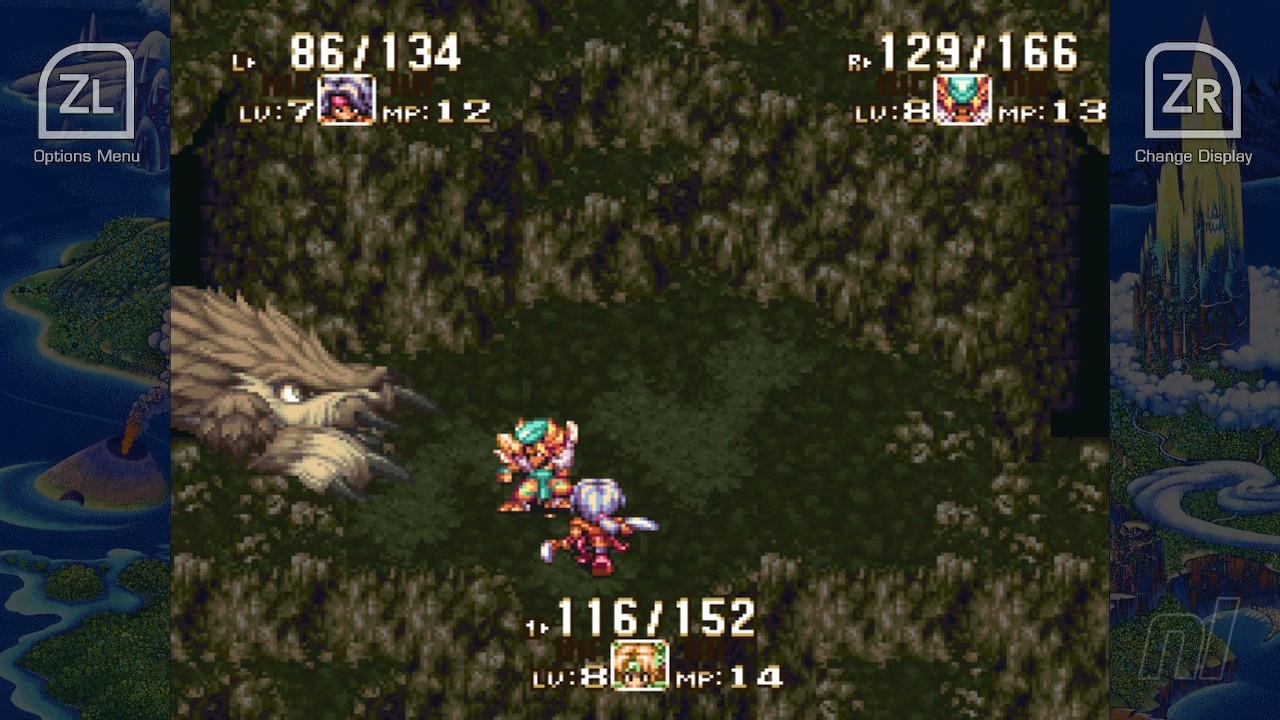
It’s a big shift from Final Fantasy Adventure and Secret of Mana, two relatively simple action RPGs that borrowed from The Legend of Zelda, which then evolved into a party-based multiplayer RPG. Secret of Mana will always be one of the most influential games in my life, but its sequel – now known as Trials of Mana – is so much better because of just how replayable it is. The first time I beat it, I immediately started playing it again, because I really wanted to build a perfect, all-destroying team.
And, honestly, you can’t go wrong with most combinations. A lot of the magic comes from being able to choose your whole party at the start of the game – who you choose as your lead character will determine certain story scenes and end-game dungeons, but other than that, it’s completely down to you.
So I went totally on vibes: Riesz was a must and my first lead, armed with a spear for decent damage; next was Kevin, a monk-like character and the best beast boy; rounding out the trio was Hawkeye, a roguish thief with charm for days. On paper, maybe not the most balanced group, as there’s no dedicated spell caster or healer (initially), but by the end it’s an absolutely monstrous trio with huge amounts of damage.
What makes Trials of Mana’s class system work so well is that it gives you an adequate amount of time with every stage. For the first 18 levels, you’ll spend a lot of time getting used to each character’s base moveset, which for me was mostly attack, attack, attack. None of my characters had any spells, buffs, or debuffs, so I just had to rely on perfectly-charged special attacks or careful use of healing items.
It’s a lesson in learning the strengths and weaknesses of each character early on, without the bells and whistles their class upgrades bring. Or, in my case, I guess I learned that all three characters could hit hard – especially Kevin. I’m comfortable with Secret of Mana’s systems (even the awful spell-queueing system which I exploited to level up magic), so it was an adjustment period to get used to the improved timing.
Level 18 is where the fun really starts, so examining a mana stone, I could finally pick whether I would send my characters down a Light or a Dark class path. Whichever one I picked, it would lock me out of half of that character’s classes. Plus, both sides for each character bring about different changes to their classes, narrowing down on niches that make all six playable characters unique.
Riesz, when she starts travelling down her job path, isn’t just a damage dealer. Her Light side gives her access to party buffs, while her Dark path focuses on debuffs. Class up again at 38, and her stat-buffs/debuffs either get stronger or are able to target multiple allies or enemies.
Choosing to go down the Light path with Valkyrie, the cogs are turning in my head. With Riesz as the buffer, the damage needs to come from the boys. I stuck with the Light path for Kevin, giving him a heal and a strength buff that worked during the day. Naturally, then, Kevin had to go Dark, but not full dark, allowing him to multicast ninjutsu spells.
That trio filled all of the gaps I had. Starlancer (Riesz’s Light-Dark Class) allows her to buff the entire team but also gives her a highly damaging summon, for a much-needed clinch moment during encounters, in that it wipes every single enemy off the screen. Kevin became the damage-dealer, tanky and able to keep the pressure on up close. Hawkeye, meanwhile, used spells to exploit elemental weaknesses (useful for those eight Benevodon bosses) while also adding to the damage Kevin dealt.
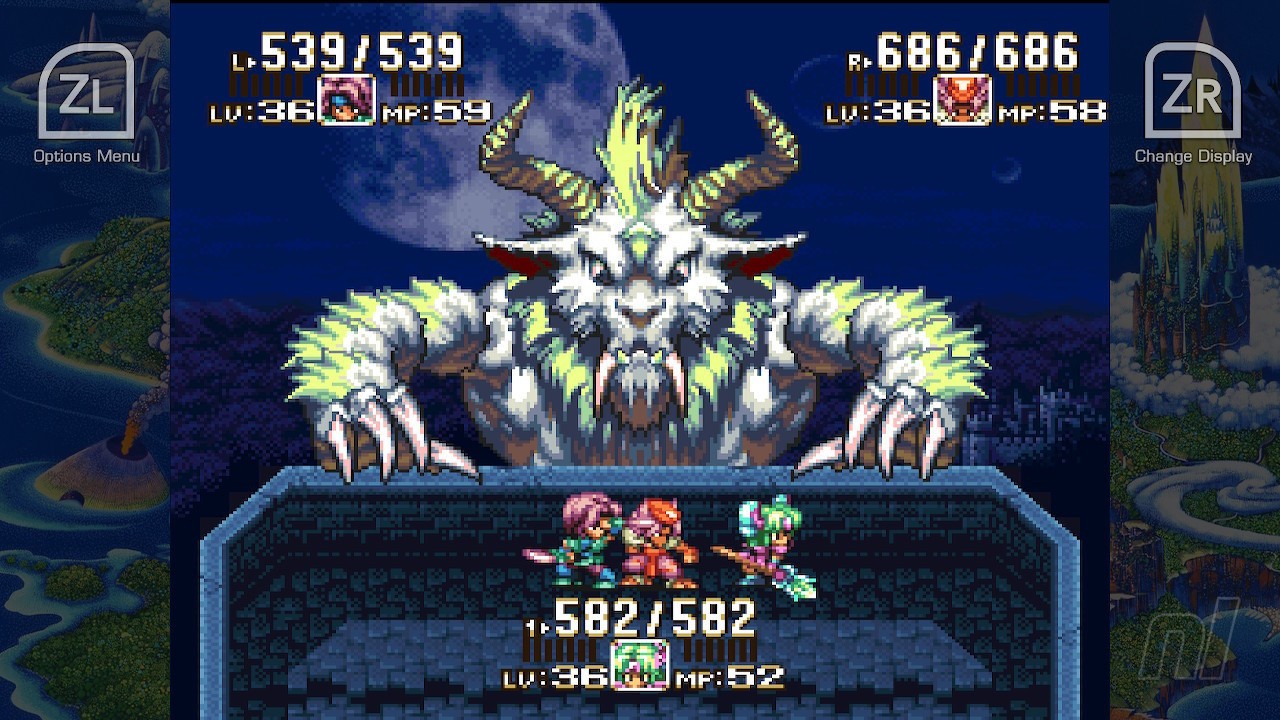
It was a surefire combo that turned out to be extremely fun to play with; what could’ve ended up as a disaster completely worked in my favour, giving me the variety I needed to win. I honestly just picked those three characters because they had the best designs. So, what if I went with a completely different theme?
My second playthrough started mere days after my first, and I went all-girls: Charlotte, Angela, and Riesz. No main physical attackers, simply a straight trio of supporters and magicians. I loved my first playthrough, but this Mana Girls party and their mix of classes cemented the game as one of my all-time favourite SNES RPGs.
The conundrum here was, how the heck am I going to deal a lot of damage? I had magic and healing covered, and I knew I’d be able to buff with Riesz, who I went Light Light with for Vanadis for single-target buffs and her extremely powerful single-target tech instead. But by this point, I’d become obsessed with researching classes online, from looking at the beautiful character designs and artwork and deciding which ones looked best to completing the perfect party and making the pieces fit together.
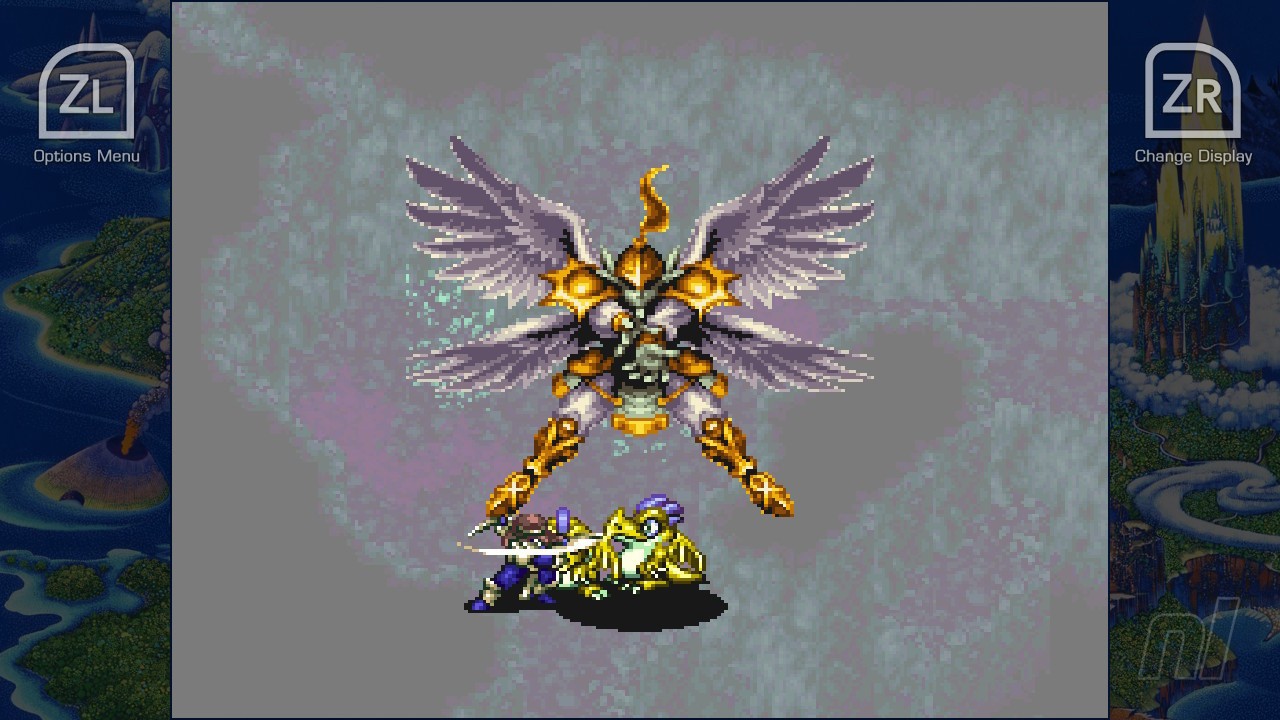
Charlotte didn’t need a damage buff for the most part, since I already knew Angela would be where the big numbers would come from. Instead, Charlotte would go from the adorable little kid to a Necromancer with the ability to debuff an enemy (read: a boss). Then Angela’s pure-Light class, Grand Diviner, was all damage all day, with Double Spell and whatever the most effective element for that particular fight.
I beat the final boss in under a minute. Trials of Mana isn’t exactly a hard game, but don’t take that moment away from me; I knew how to craft the perfect party and exploit all of their strengths and sharpen them. No real physical damage except for a charged attack that takes a while to build up? No worries, let me spam spells and buffs over and over again.
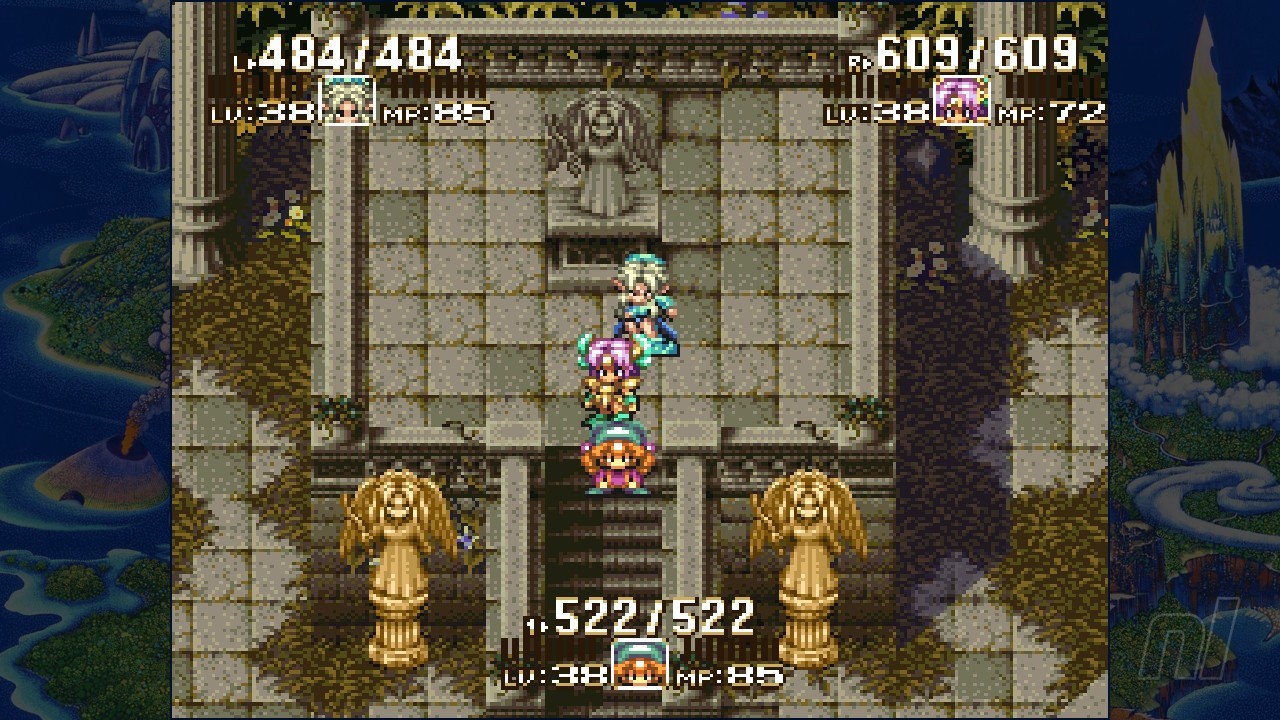
These are the best kind of conundrums to solve in any job/class-based RPG – what works with what? What doesn’t? When should you use this skill, this class? It doesn’t matter how simple or complex it is; you simply need to think or experiment. In Trials of Mana’s case, well, you have to stick with it – your decisions are final, and in a way, that’s also part of the fun.
There’s no way to change easily like in Final Fantasy Tactics or Xenoblade Chronicles 3. You have to live with your choices and plough your way through regardless. Did you forget to employ elemental weaknesses between Duran, Hawkeye, and Riesz? Well, just keep the pressure on. No healing? Better build up money and stock up on healing items. If you happen to put together a crappy team, the challenge and the joy come from how to make it work.
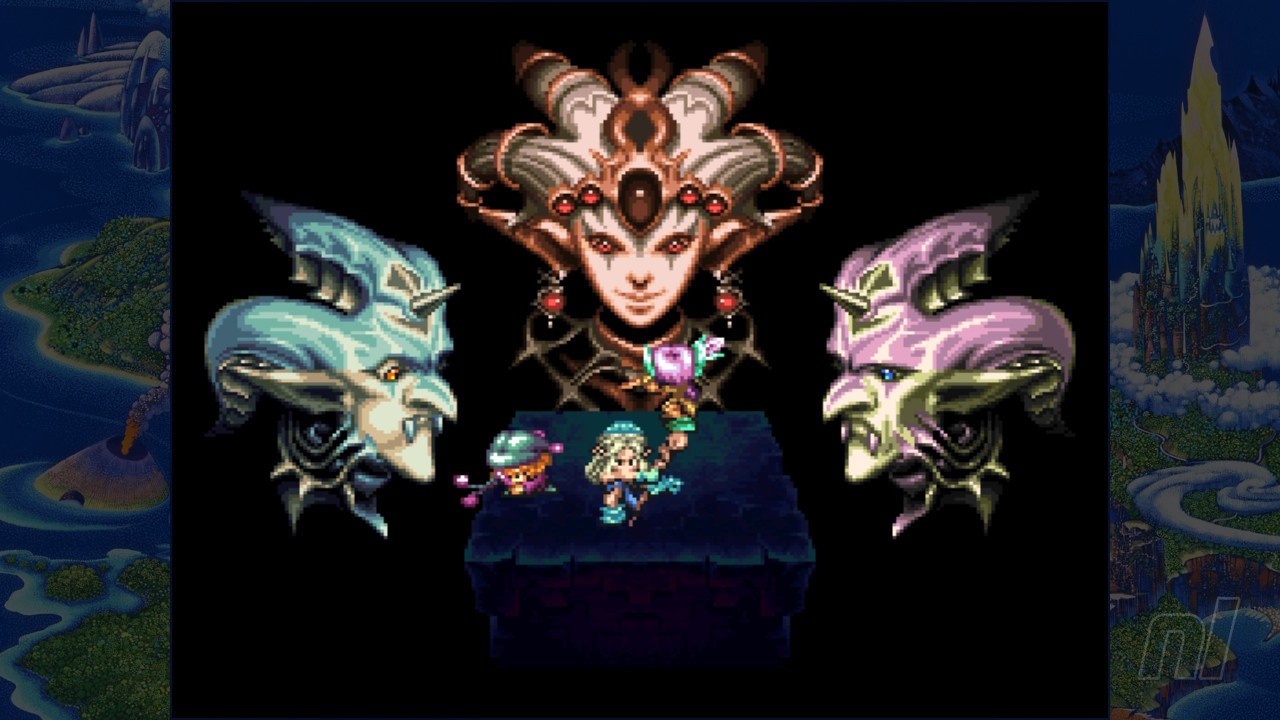
It’s not a complicated game, and it never needed to be. There are optimal and less optimal compositions, sure, but is the ability to create a weird mix of jobs and classes not a huge part of the attraction? Why do you think Final Fantasy V’s Four Job Fiesta has prevailed for so long? Sure, that game is amazing because of how good and flexible its class system is, but restrictions and challenges make it even better.
So, while Trials of Mana might not be as deep as other class-based RPGs, for its time, it’s exceptionally moreish and beautifully simple, allowing you to dip your toes into party composition and planning. It’s like a real D&D game – a Bard, a Warlock, and a Thief might not sound like the ideal party, but it’s probably a real good time. Just like running a bunch of mages.
Have you played Seiken Densetsu 3 via the Collection of Mana? How about the remake? Let us know in the comments.