 by
by 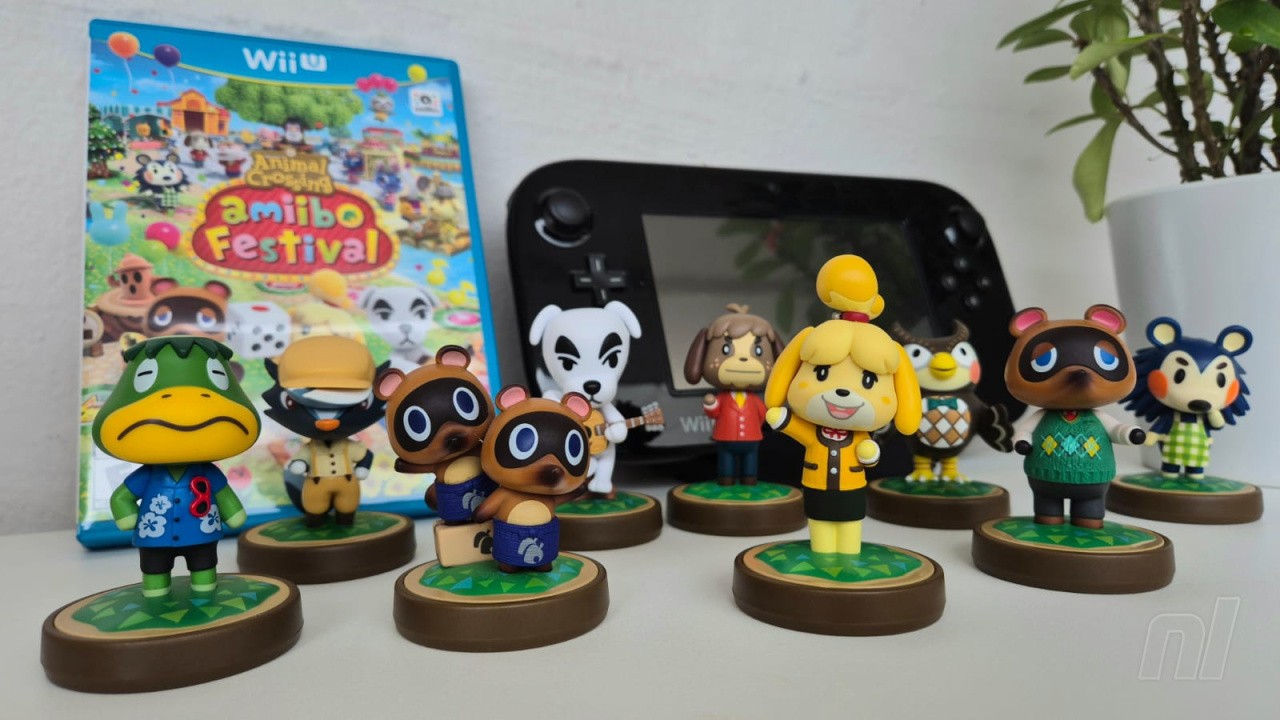
Few games have tapped into the popular zeitgeist quite like Animal Crossing: New Horizons did back in 2020 at the onset of the global pandemic. It’s sold a whopping 48.62 million copies worldwide since launch, elevating Animal Crossing from a fan-favourite series to a full-fledged cultural phenomenon, earning its place alongside Nintendo’s top-tier mascots.
Given all its success, it’s hard to believe just how far the series had fallen with its previous home console entry. Years before New Horizons turned debt repayment into a cosy form of self-care, Animal Crossing: Amiibo Festival for the Wii U had already cemented itself not only as the franchise’s most divisive entry but as a contender for one of Nintendo’s worst games. It’s even been blamed for putting YouTuber Scott the Woz in therapy.
When Amiibo Festival hit shelves exactly a decade ago, Nintendo was all-in on experimenting with toys-to-life gimmicks and, following the success of 2013’s Animal Crossing: New Leaf on the 3DS, anticipation was high for a new mainline entry that would finally bring the series into HD on a home console. But the reality check came faster than you could scan an amiibo.
Fans were disappointed, to say the least, when Nintendo opted to release a board game instead of a proper new Animal Crossing instalment. The frustration only deepened once the reviews rolled in. The game bombed. Reviewers slammed it for being more of a bored game than a board game, taking aim at its price tag, sedate pacing, and overreliance on amiibo scanning.
Truth be told, Amiibo Festival's dire reputation has always intrigued me. When I found a copy on clearance around two years ago, I gave in to temptation to see if it really was as bad as everyone said. I also managed to snag nearly the entire line of amiibos online for a few dollars.
My general impression at the time was that the game was relatively harmless. I played it with my partner, and it worked well enough as a low-stakes way to soak up Animal Crossing vibes when I had already bounced off tending to my overgrown New Horizons island after 200+ hours. It certainly helped that I paid way less for it than the $59.99 MSRP sticker price at release, along with finding the figures and two packs of cards for a song.
With the game’s 10th anniversary upon us, I decided it was time for a proper reappraisal. So, I gathered three friends — all fans of board games and dedicated New Horizons players with hundreds of hours under their belts — and set up an Amiibo Festival night. This was the perfect test group, in theory, exactly the kind of audience Nintendo had in mind back in 2015.
Our mission was to find out if Amiibo Festival has any redeeming qualities, or if it truly deserves its place among Nintendo’s most notorious misfires...
Terminally chill
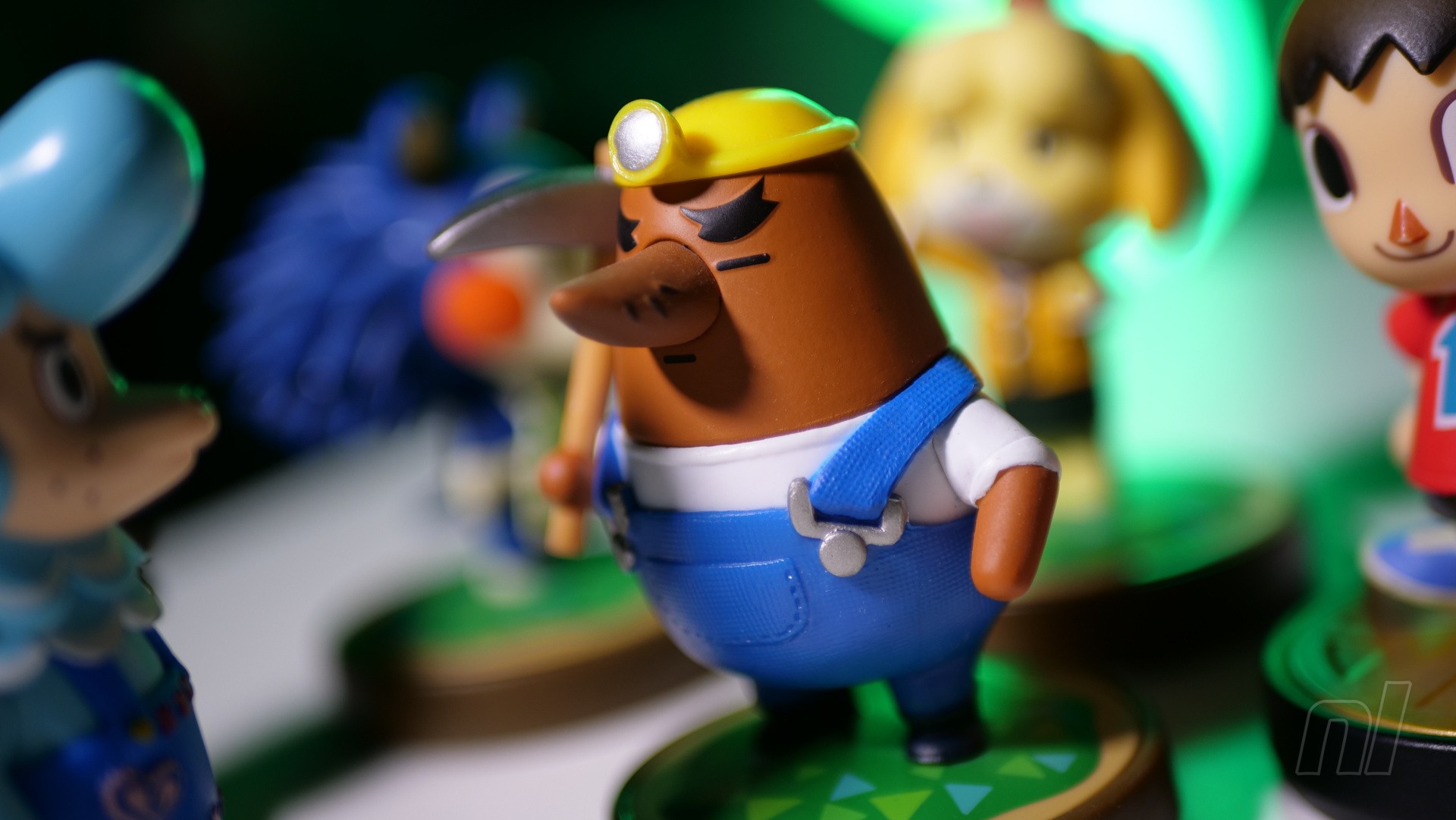
None of us were looking to dunk on it. We approached it with open minds, wondering whether time might reveal a misunderstood oddity or a bit of overlooked charm in hindsight.
What we found was a game that captures the cosy spirit of Animal Crossing to a tee. But where other social multiplayer titles like Mario Party offset luck-driven board play with skill-based minigames to create lively chaos, this one “just depends on your patience,” as one friend remarked midway through our session, neatly summing up Amiibo Festival’s entire gameplay loop: scan, roll, and read.
It’s played with a single Wii U GamePad. You take turns scanning your amiibo figures to roll the dice, moving your characters the number of spaces shown. Each space either grants or deducts Happy Points and Bells — akin to Mario Party’s Stars and Coins — and triggers a short, text-based slice-of-life vignette accompanied by a brief cutscene.
Each space tells a wholesome little story, ranging from earning Bells for helping a villager to losing Happy Points because seagulls ate the turnips you planned to sell on the Stalk Market – outcomes that are entirely luck-based. These moments are charming in theory and undeniably in tune with Animal Crossing’s cosy ethos, but they have no gameplay consequence.
Occasionally, events break up the monotony. Familiar characters appear on certain days, with Joan the turnip vendor offering the most mechanically interesting feature: you can invest Bells in her stock of turnips, then try to sell them later as prices fluctuate across different board spaces. It’s a small flicker of strategy in an otherwise automated board game.
Before starting a round, you choose a month of the year, with the board reflecting the corresponding season. Snow blankets the town in winter, cherry blossoms bloom in spring, and seasonal characters like Jack, the self-proclaimed Czar of Halloween, appear during October. But it’s all largely a reskin; the core gameplay remains the same no matter the month.
After every player completes their move, the in-game calendar advances by one day. The cycle repeats until the month ends, at which point Bells convert into Happy Points and a winner is declared. Before starting the board game, you can adjust the session length. A full playthrough with four players took us around 75 minutes.
Charm offended
By the end of our session, opinions were split. Two players said they enjoyed it for what it was. “It’s cute and chill,” one said, praising the cheerful music and charming event cutscenes. Another said its appeal lies more in treating it as a lightly interactive background activity, something to half-play while chatting and sharing snacks.
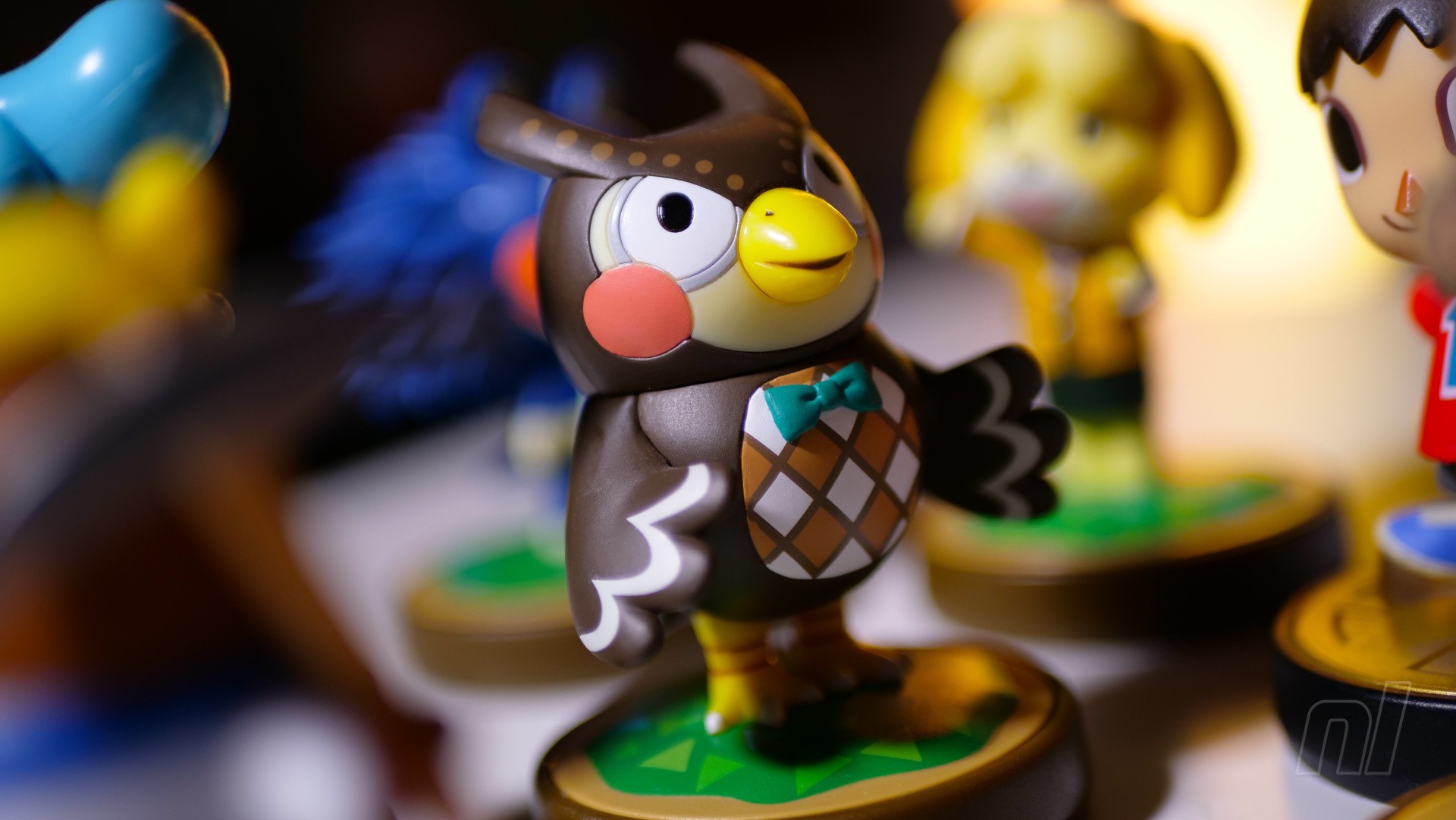
Others in the group were less charitable. One gave it a “three or four out of ten.” They admitted they only enjoyed themselves “because we were all playing together,” adding, “the people were fun, not the game.” When it came time for a final score, the group average settled around a 5/10, with everyone agreeing the game fails to do enough to keep you engaged.
I asked whether Amiibo Festival really deserved its reputation as one of Nintendo’s worst games, and the group was divided. One immediately agreed, calling it “definitely one of the worst Nintendo games I’ve played.” Another pushed back, saying it was “a bit harsh” and that “you can tell they tried.” The problem, they argued, isn’t a lack of care but a lack of game.
Indeed, it may be the most passive party game ever conceived. The decision to keep Amiibo Festival’s minigames separate from the main board game could explain why the proceedings felt monotonous. Then again, it’s hard to say a combined mode would be any more fun. The eight minigames on offer can only be accessed by scanning amiibo cards and are unlocked gradually as you play the main mode.
Cramming these into the board game would be an exercise in logistics. Imagine juggling a Wii U GamePad, an amiibo figure, and several amiibo cards, all of which would need to be scanned mid-round if minigames suddenly appeared. The idea of pausing play to put down your amiibo, scan in cards, and pass the GamePad around the room all feels excessively cumbersome.
These standalone minigames don’t set the world on fire, but certainly add to the package, showcasing how Amiibo Festival isn’t completely devoid of gameplay. Desert Island Escape emerges as the standout – a lightly strategic, single-player turn-based survival mode where players gather resources, craft tools, and build a raft to escape a deserted island.
A few others, like Balloon Island and the trivia-style Quiz Show, have their charms, but most are built around clunky amiibo-card scanning that feels forced and unnecessary. Two of the minigames require six cards to play — more than the three bundled in with the game — implying an additional purchase just to access all the content on the disc.
“Does it feel like this game was made to sell amiibos?”
“Yes.”
“Is scanning an amiibo to roll dice fun?”
“No.”
Therein lies the core problem with Amiibo Festival: it feels less like a game designed around amiibo and more like one designed to sell them. The consensus among my test group was that its central mechanic — scanning figures to roll dice — felt like a marketing mandate, not an idea born from gameplay. Everyone agreed that doing so every turn quickly became tedious.
Post-amiibo clarity
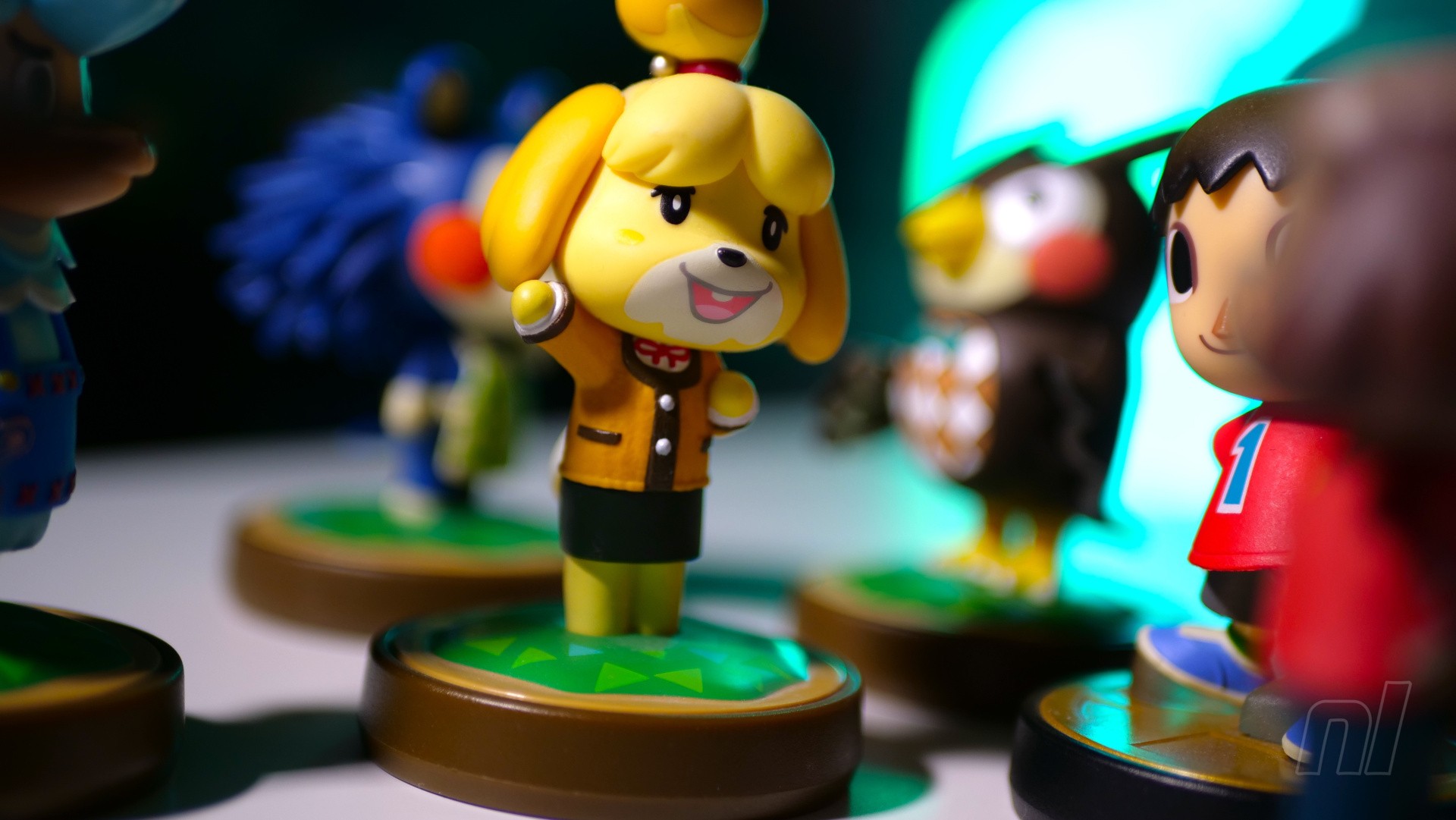
My hunch is that Amiibo Festival would be far less hated if it had been released for free on the eShop and been framed as a nifty value-add for those who bought the Animal Crossing amiibo and card sets, rather than as a full-priced retail title. At least then, it might’ve been remembered as an inoffensive curiosity rather than a complete commercial misfire.
A decade on, Amiibo Festival feels like a relic from a time when Nintendo was grasping for direction, convinced that toys-to-life was its next big thing. It wasn’t.
Thankfully, the company — and the series — found its footing. The runaway success of New Horizons proved there was no need for gimmicks. And as disappointing as its predecessor is, I don’t think I’ll need therapy.