 by
by 
Former Capcom and Street Fighter II producer Yoshiki Okamoto has been sharing insights into his time working on games for the NES / Famicom over on his YouTube channel, and it gives us an interesting glimpse at game development at the time.
Translated by Automaton Media, Okamoto detailed that it was harder for third-party developers such as Capcom and retailers to actually turn a profit making and selling games for the Famicom. And, from his experience, "only Nintendo had a guaranteed profit."
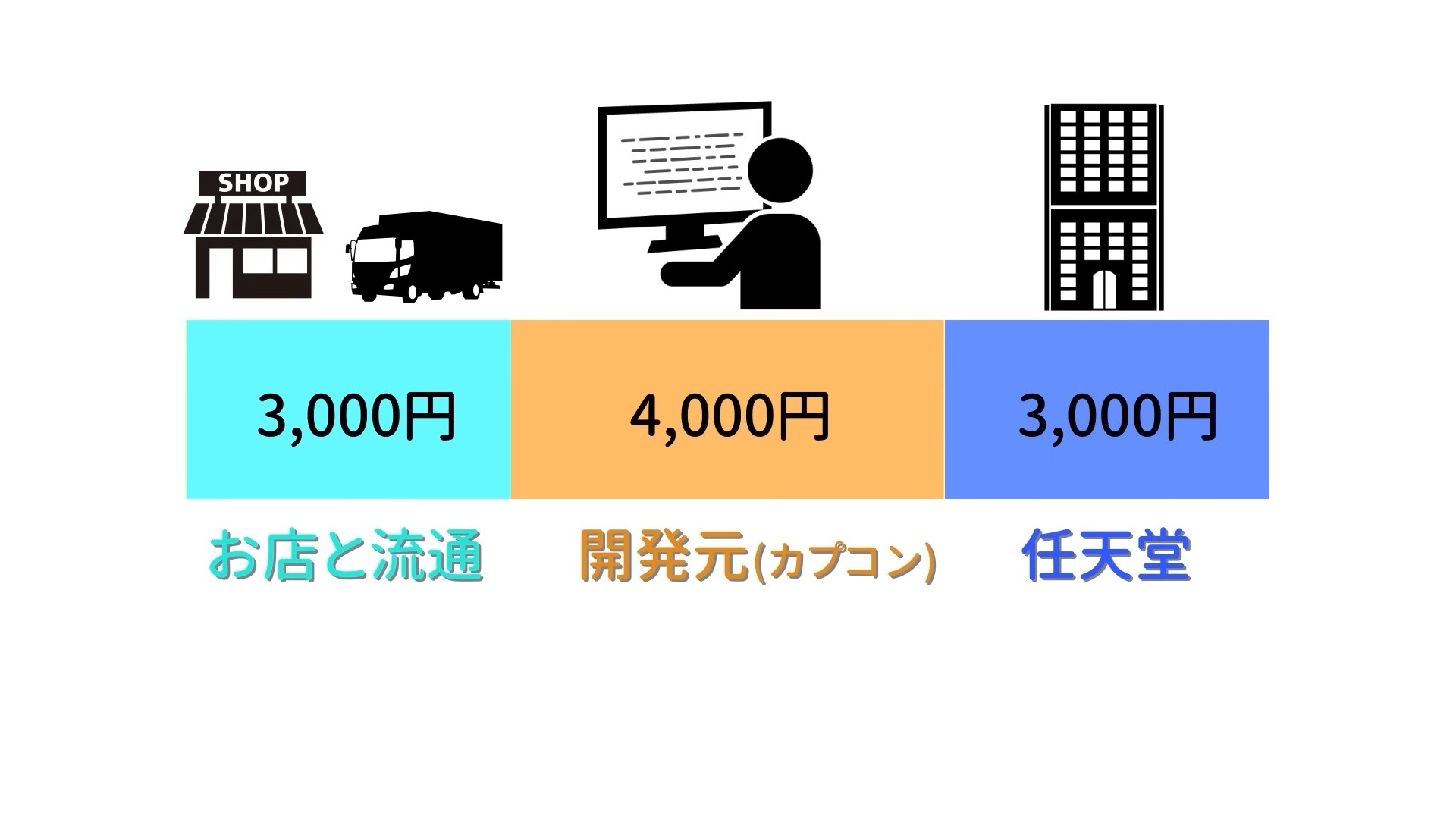
"Let’s say a Famicom cartridge sold for 10,000 yen at retail. Out of that, 3,000 yen went to the retailer. 4,000 yen went to the software developer, like Capcom, and 3,000 yen went to Nintendo," which sounds okay at first glance, but Okamoto clarifies that "Out of Nintendo’s 3,000 yen share, about 1,500 went to manufacturing contractors."
Subscribe to Nintendo Life on YouTube852k
"Since Nintendo got paid upfront for the exact number of copies, manufactured the cartridges, and delivered them, what happened after that didn’t matter to them." Back in the '80s, Capcom was a relatively new developer, and had to pay around 3,000 yen per unit upfront.
This resulted in the company taking out bank loans to ensure it could afford to pay the Big N, but this built up over time, as it apparently took Nintendo up to 3 months to supply cartridges. Then, Capcom had to send those cartridges and invoices to distributors, but it would rarely get paid immediately, instead receiving a promissory notice to say the money would be coming in 3 months.
That meant, often, that any profit would take up to 6 months to reach Capcom, which would likely be spent on clearing those bank loans. Okamoto also talks about unsold cartridge stock, where developers would often have leftovers thanks to having to over-order, as production took around 3 months. That adds another 3,000 yen unit to costs.
Okamoto still stresses that the NES and SNES were worth it for Capcom, despite cartridges "really only" benefitting Nintendo — and you only have to look at Street Fighter II sales figures to see that.
So, while cartridge-based systems, costs were higher — and that's still true today, from what we know — so when the PlayStation was announced, and disc manufacturing costs were cheaper, it was a dream for third-parties.
“Capcom’s profits skyrocketed with the switch from cartridges to discs,” Okamoto tells viewers, stating that not only were manufacturing costs cheaper, but that Sony would also return its share of the pay (1,600 yen of the 1,800 paid, for example) if Capcom returned any unsold CDs.
Faster restocking speeds, allowing devs to respond much quicker to sale spikes and interests, meant that Capcom was able to thrive even more in the disc-based era. But Nintendo was still a huge part of its success because it allowed them to grow their player base and get a foot in the door in the console gaming space.
It's a fascinating look at how video game development worked back in the late '80s and early '90s, and yet another look at why the PS1 did as well as it did. Who knows how different things would be with that Sony disc add-on for the SNES...
Let us know what you think of Okamoto's thoughts in the comments below.