
10. Ninetales
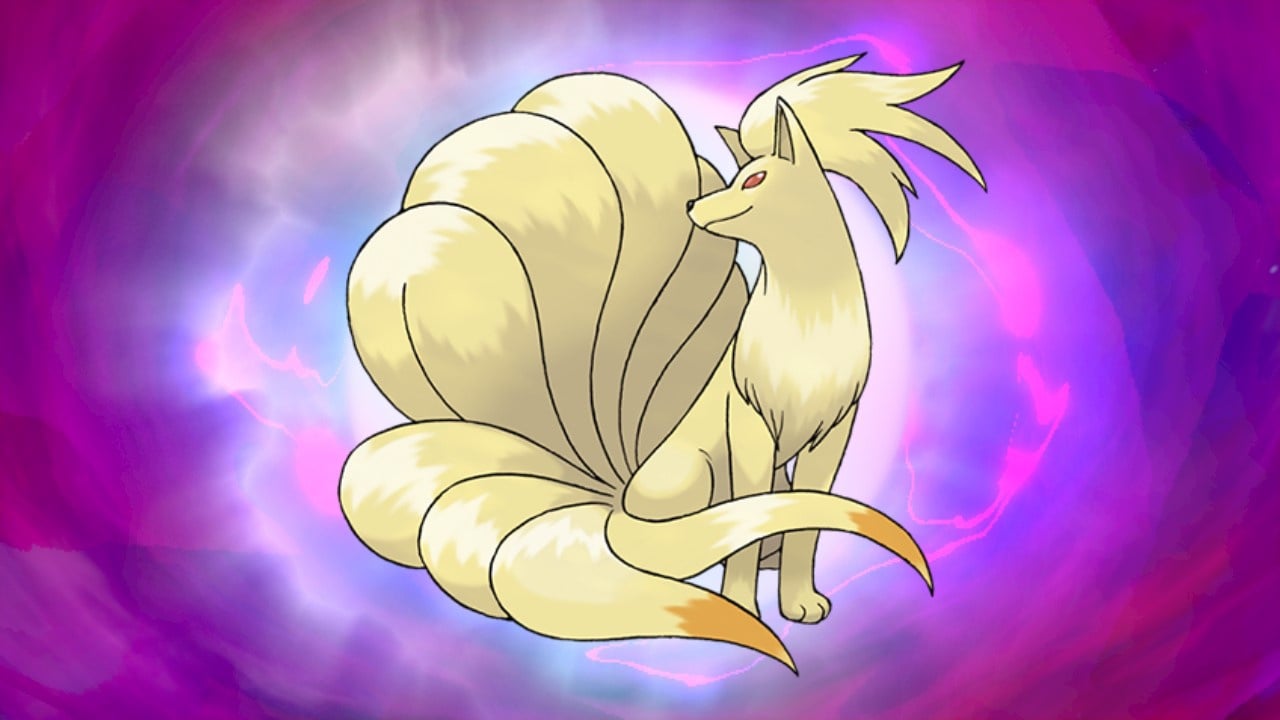
While both Vulpix and Nintales take inspiration from the idea of the Kitsune, the wise fox spirit that can shapeshift among other powers, it’s Ninetales who takes the most direct inspiration.
According to folklore, Kitsune grow additional tales as they grow older and wiser, with nine being the total they can achieve. As they grow more powerful, they can transform into human forms, or even a spirit, which may explain why Vulpix and Ninetales can also learn Ghost-type moves. The legend of Kitsune is common in Japanese and Chinese mythology, with stories including them being man-eaters and even symbols of peace.
11. Sneasel
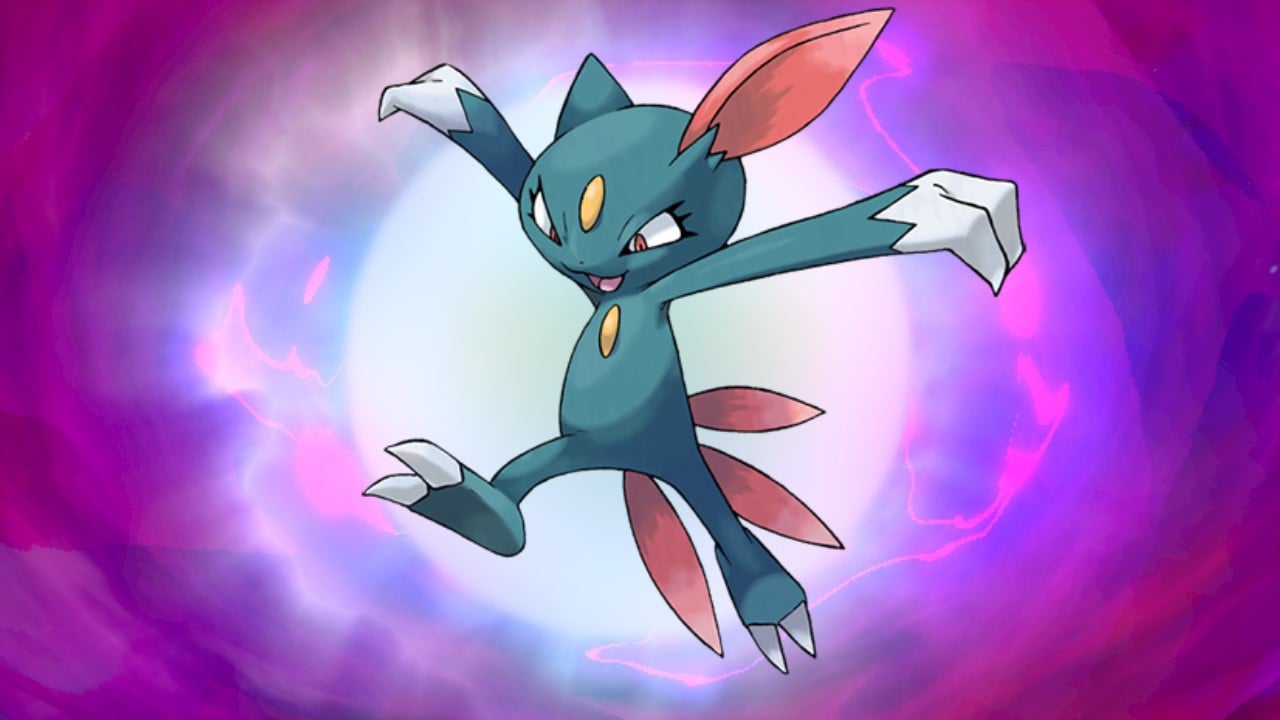
With large sickle-like claws and a name derived from weasel, Sneasel is based upon the Yokai ‘Kamaitachi’. This weasel-looking creature is the embodiment of cold wind; when people in snowy mountains would get sharp cuts or pains from the cold winds it was said to be the Kamaitachi and its claws. This could also explain Sneasel’s Dark/Ice typing, as well as the fact it learns the movies Icy Wind and Fury Swipes.
Also sometimes called Kazakama (Wind Sickle), they are renowned for cutting off the skin painlessly causing black blood to ooze out, but the victim only notices the wounds when it’s too late — the only protection from them offered being to hold an old calendar. Natch.
12. Duskull
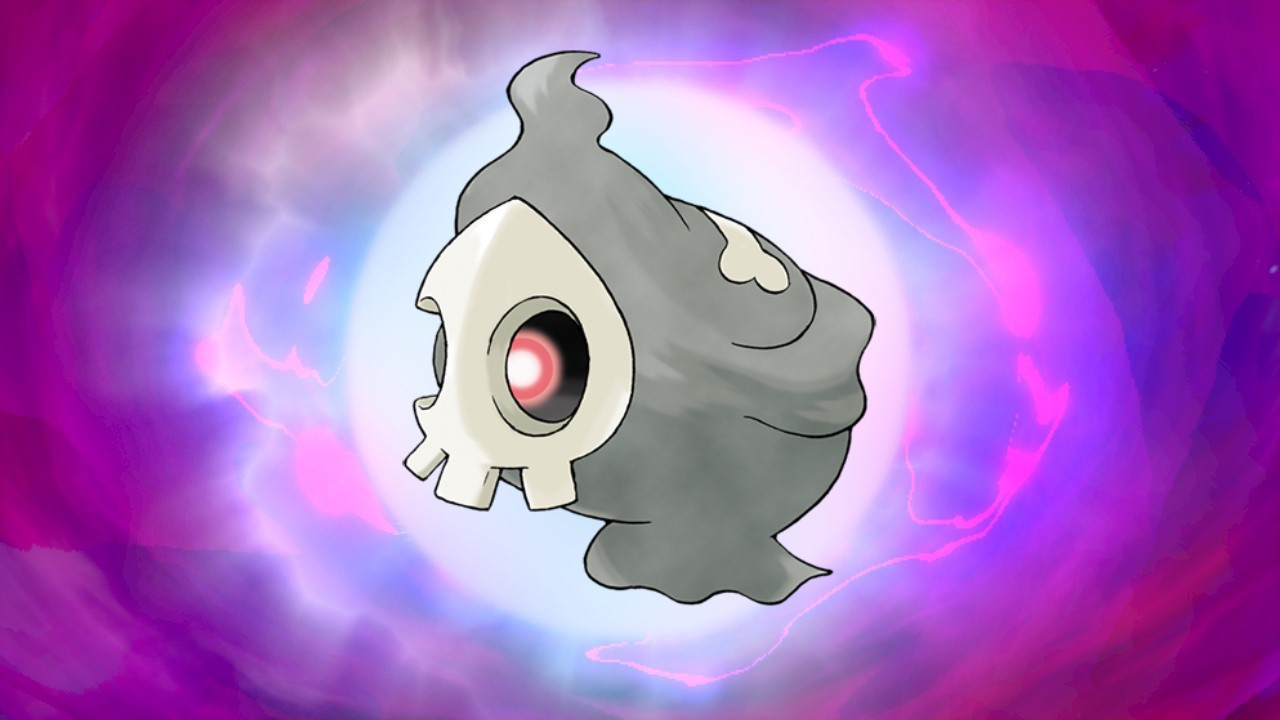
This Ghostly ‘mon has a hood reminiscent of the Grim Reaper and appears as a floating head, with its single red eye flitting between the two empty sockets. This is based upon the Yokai, Chõchin-obake, a spirit that possesses inanimate objects and was known to possess paper lanterns in particular. While the lantern was made from bamboo, paper or silk, the Yokai were described as having one eye and a long tongue protruding from an open mouth.
These malevolent spirits were more known for surprising humans and children while scaring them, often cackling or rolling their tongues at people. Duskull’s Pokédex entry in Pokémon Black & White reads:
It loves the crying of children. It startles bad kids by passing through walls and making them cry.
The evolution Dusclops resembles the striped pattern seen on a lantern much more closely than Duskull, but also draws inspiration from ancient Egyptian mummies and the Japanese cyclops ghost known as Hitotsume-kozō.
13. Bronzor & Bronzong
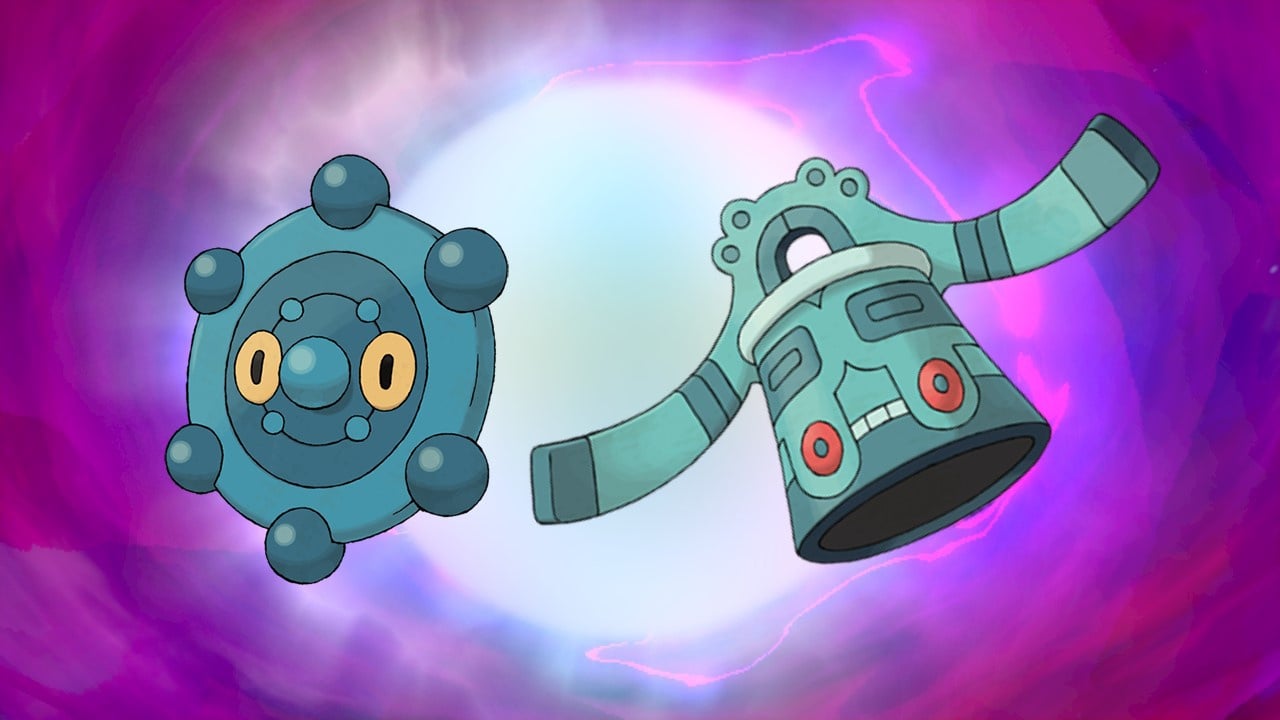
The steel duo are based on a Japanese ghost story called ‘Of a Mirror and a Bell’. The tale goes that around 900 years ago Buddhist priests were asking for bronze to make a bell, and women often carried bronze mirrors with them, considered by many to be the key to a woman’s soul. One woman was convinced to give up her mirror by the priests, but later reconsidered this as she remembered the sentimental value of the mirror and felt she had given away a part of her soul. However, she couldn’t afford to buy the mirror back so had to live with her choice. When the priests tried to melt the mirrors, her mirror wouldn’t melt, having been made 'stubborn' by her attachment. When word spread of this the women was embarrassed, feeling people would think her selfish because she couldn’t donate with all her heart. In her anger she drowned herself, saying that now her mirror would melt, and should anyone manage to break the bell her mirror made, her spirit would bring great wealth.
The Pokémon Bronzor is described in Platinum’s Pokédex entry thusly:
There are researchers who believe this Pokémon reflected like a mirror in the distant past.
It even has the ability Heat Proof to cement this relation. Bronzong also directly resembles the ornate patterns and bronze colouring of the Bonshō bell.
14. Spiritomb
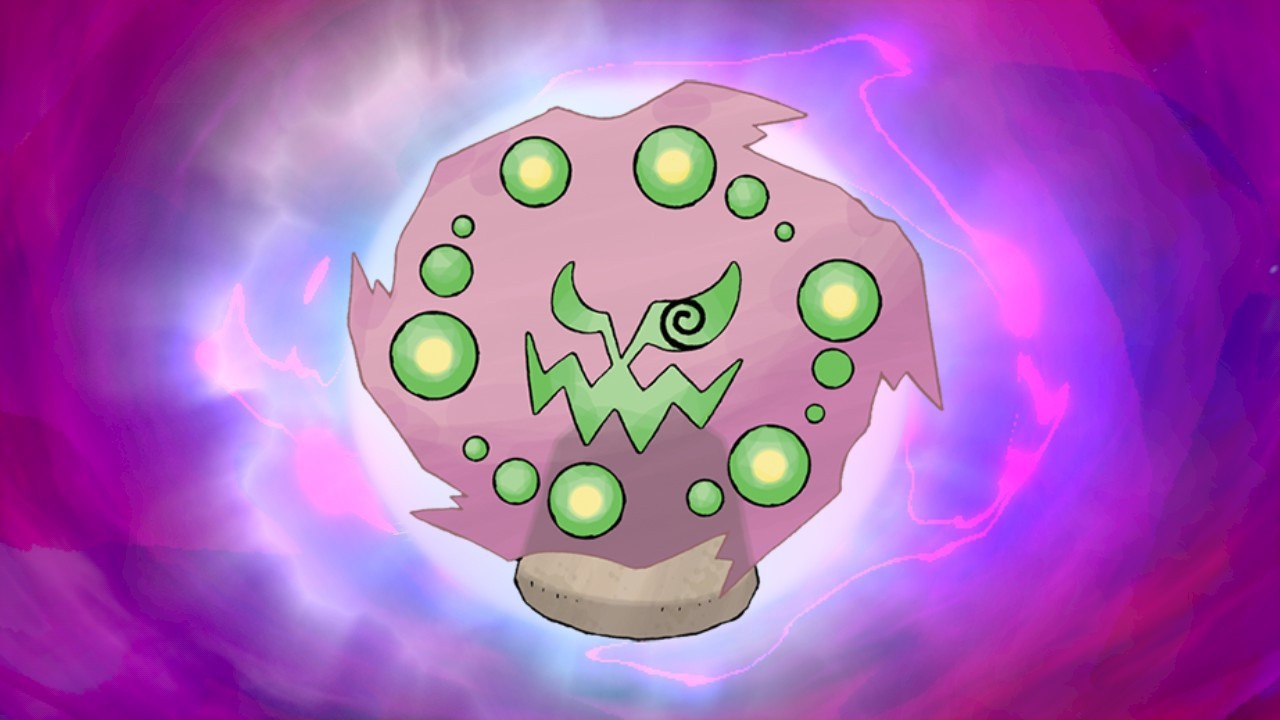
An unsightly demon rock with an angry face, Spiritomb isn’t one of the most cuddly Pokémon. Brought to life from an item called an Odd Keystone, it has ties to tales of Jibakurei, spirits bound to a specific item. It also has Defence and Special Defence stats of 108, and in HeartGold & SoulSilver its Pokédex entries read:
It was formed by uniting 108 spirits. It has been bound to the Odd Keystone to keep it from doing any mischief.
This is in reference to the story ‘108 Heroes of Suikoden’ from Chinese folklore. The tale goes that 108 demons were banished by the god Shangdi and imprisoned in a stone monument, but after many years of being trapped they repented for their sins. One day the monument was broken and the spirits released, eventually reincarnated as a group of honorable but violent bandits called the ‘Heroes of Suikoden”. They travelled the land to bring people justice, but did so in their own way, eventually being recognised by Imperial forces and asked to join them against robbers and crooks who would hurt the poor and vulnerable.
The story gained huge popularity in Japan when it was translated around 1805, and early prints of the story and the bandits influenced a lot of Japanese tattoo styles.
15. Jirachi
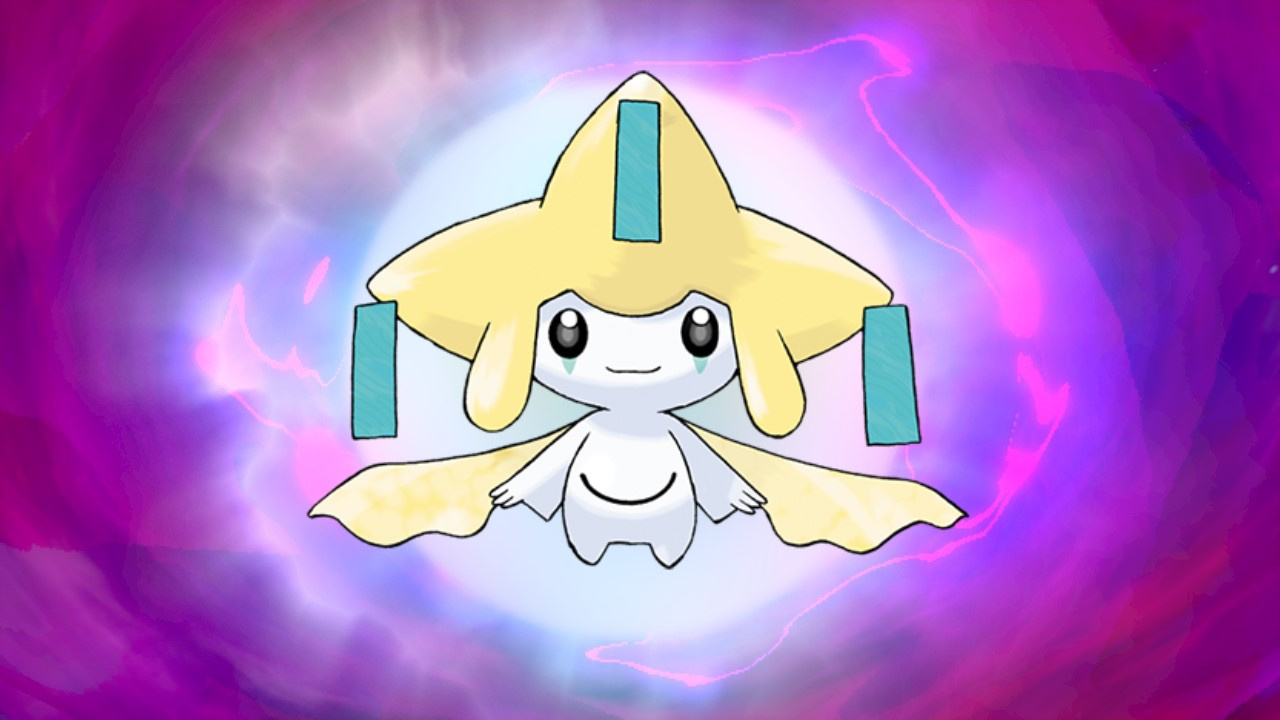
Known as the ‘Wish Pokémon’ and with a head resembling a star adorned with small strips of paper called ‘tanzaku’, Jirachi is based on Tanabata festival. Known in Japan as the star festival and coming from the Chinese Qixi festival, this sees people write wishes on paper and hanging it from bamboo along with other decorations to celebrate. At the end, the wishes are either set afloat on rivers or set alight to bring them true.
While the date differs from region to region, it is mainly celebrated in July & August, and many of the events Jirachi was distributed in coincided with the festival. Its Pokémon X Pokédex entry reads:
Generations have believed that any wish written on a note on its head will come true when it awakens.
16. Whiscash
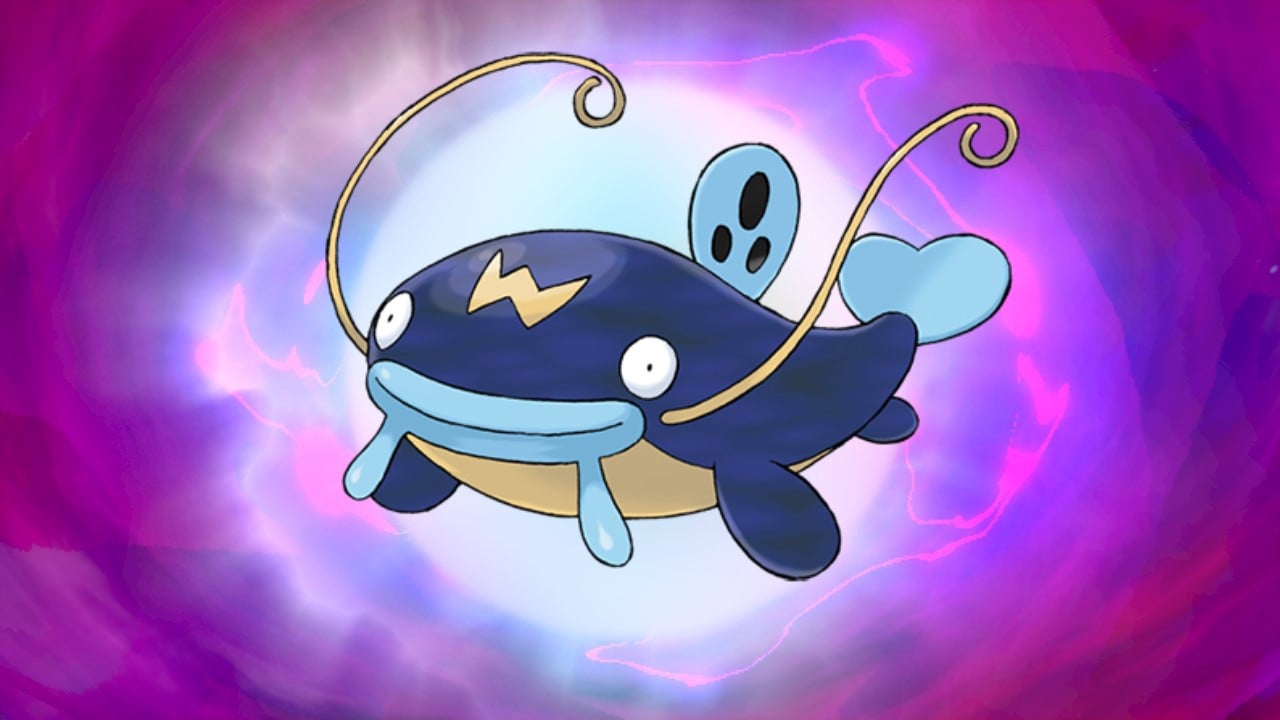
This Water/Ground fish Pokémon is heavily inspired on catfish, but also has the ability to predict and cause earthquakes. Its Alpha Sapphire Pokédex entry states:
If Whiscash goes on a wild rampage, it sets off a quake-like tremor with a radius of over three miles. This Pokémon has the ability to predict real earthquakes.
This seems to draw influence from ‘Namazu the Earth Shaker’, a giant catfish and Yokai from Japanese stories. Namazu is thought to be the cause of earthquakes by wiggling its tail, and is sometimes thought to be a reaction to human greed. By causing earthquakes, Namazu forced people to redistribute their resources and wealth to help the vulnerable.
17. Lombre & Ludicolo
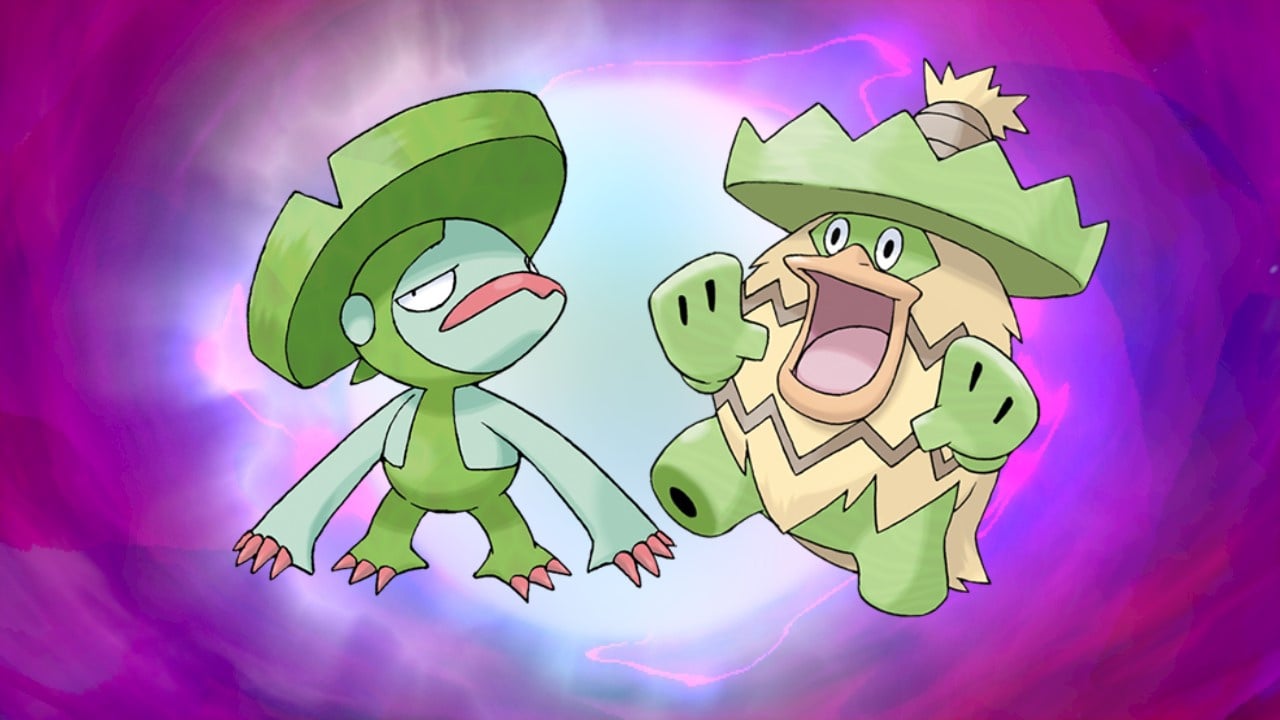
With a dish on its head to catch water, Lombre seems to take influence from Kappa, Japanese Yokai who resembled humans but with turtle-like shells. The word Kappa seems to come from the words kawa (river) and wappa (a form of the word for child), and they were mischievous creatures who were known for a range of misdeeds all the way from looking up women’s kimono’s to drowning children. They kept water on their heads, but if it was spilled or dried up they were severely weakened. This would explain why Lombre has the ability Rain Dish.
When Lombre eventually becomes Ludicolo however, this water catching dish also becomes a sombrero, and Ludicolo’s patterns mimic a poncho from Mexican and Latin American culture. "The rhythm of bright, festive music activates Ludicolo’s cells, making it more powerful", according to the official Pokémon website.
18. Mawile
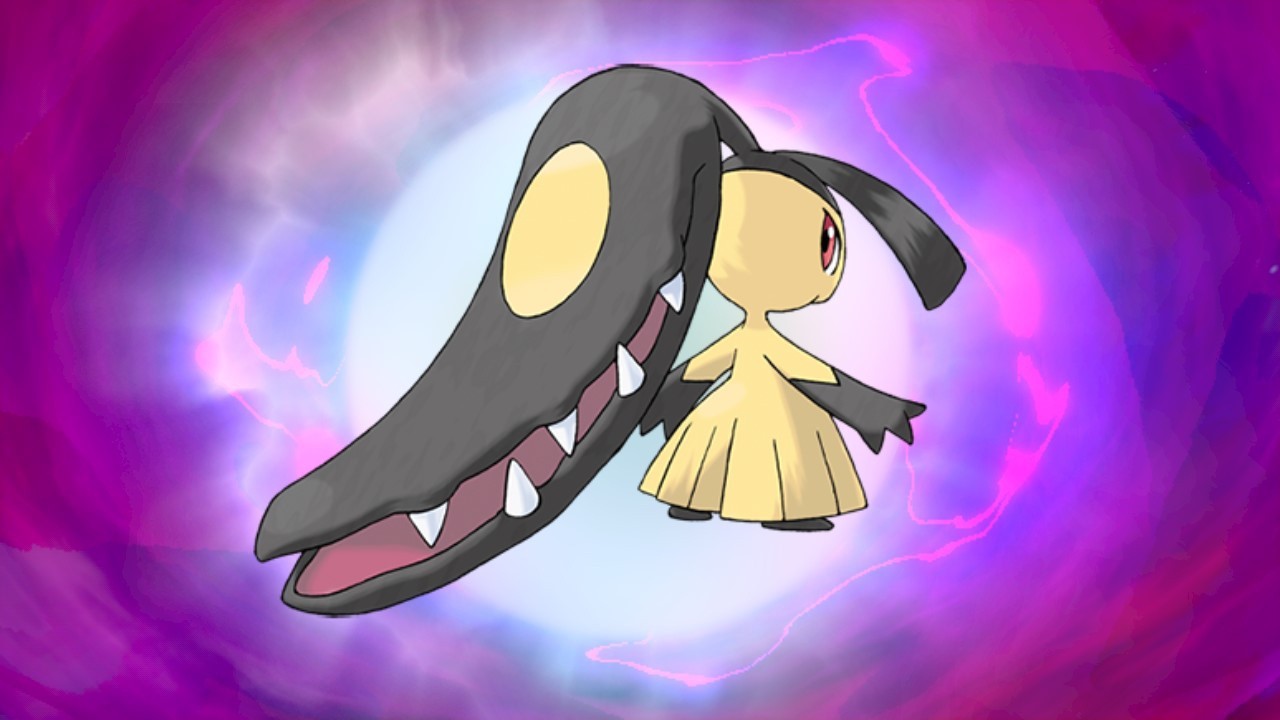
Mawile is based on the legend of Futakuchi-Onna (translated roughly to 'two-mouthed woman'), the story of a curse that led a hungry woman to grow another mouth in the back of her head. This demon was considered to be a curse for greedy people, with one particular tale telling of a man who refused to share his food with anyone. After one day meeting a women who appeared to not eat, he fell in love and made her his wife. However after noticing his rice supply was still diminishing, he decided to spy on his partner. He saw her unclip her hair, when a ghastly second mouth appeared from the back of her head with horrible sharp teeth and huge lips. The tentacles in her hair reached out and scooped rice into the mouth, at which point he ran off and decided to divorce his wife.
Instead, she used her tentacles to trap him in a bathtub and take him to the mountains, where he ultimately managed to escape.


Comments 17
Some Pokemon design based on Yokai or Japanese myth creatures.
But currently i have interest with some Yokai design from Yokai Watch than Pokemon.
I usually just go to bulbapedia to get stuff like this.
I can never unseen gyarados as the true final form of dratini, and dragonite as the final form of magikarp, thanks to the internet. It makes so much sense from their designs and colour palettes
@Kalmaro
I assumed it's where they got their info lol. Still, a fun read
@Grim Whilst I feel that the colour scheme is the only thing similar in your example, this does happen in development sometimes. Try swapping Butterfree and Venomoth.
Alright there were a couple of origins I hadn’t heard in there specifically Sneasel and Misdreavus.
It’s funny that they described Napoleon as diminutive but also listed his height which was actually around average for the time.
I am also pretty sure that the abundance of electric rodent pokemon is due to the fact that rodents often cause outages by biting through wires. It is especially evident with Dedenne holding its tail.
@Grim Aside from Dragonite’s orange being a closer colour to Magikarp’s red than Gyrados’ blue they share very little design wise. Magikarp and Gyrados share a lot of visuals and shape language. They both have the long whiskers and crown shaped fins on their back. Their mouths are a similar shape and Magikarp’s side fins are a the same shape ad Gyarados’ head fins. The ridge that separates Magikarp’s head from it’s body is even carried across in elements of Gyrados’ form. The colour is the only oddity, but maybe that also comes from the original myth?
I don’t think Dragonite was designed as Dragonair’s evolution. But it in no way looks like it was ever intended as a link to Magikarp. If anything it takes way more queues from Charmander’s evolution line, perhaps designed as a cuter Charizard initially. It shares the same orange with yellow belly and green wings as Charizard. It has legs and a head shape similar to Charmander. It even has a horn on it’s head. If it’s tail was on fire it’d be a dead ringer for that line. A lot more so that Dratini/Dragonair or Magikarp.
Nor does Gyrados really look much like it was intended as a Draginair evolution. It takes no visual cues from that line which focuses on clean, smooth and elegant lines, it goes very much against that with every element of it’s design.
Guys, you need to proof-read these articles.
Bronzor:
"and should anyone manage to break the bell her mirror, her spirit would bring great wealth." What??
Spiritomb:
"the the" come on
@BobbyAtomic as far as I'm aware the idea he was small is kinda a half misunderstanding with converting the units the French used at the time incorrectly to brittish ones and half satirical propaganda from political cartoons.
Supposedly he was actually between 5'5-5'7 range making him average for the time.
Really interesting read, I love reading about where Pokemon inspirations come from. Funny enough despite all the nightmare fuel I feel I finally have some closure regarding the trimmed down Pikachu, although he had so much more personality back then despite the limited animation and the supposed THICC that stopped him being as expressive as they would have liked.
2nd article when?
@Roibeard64
Yes.
I’m surprised by how many of these I hadn’t heard before. A lot of these Pokemon are pretty old, and I just sort of assumed most of the trivia surrounding them would have made it into my ears one way of another. I mean, I knew a few of them, but I’ve learnt a lot as well.
Isn't Golduck based on the Japanese folklore monster Kappa?
The entry on Kangaskhan is a stretch, since the original Japanese name doesn't reference Genghis Khan like the English name does.
Um, Electro Ball is a ball-shaped projectile. It's Volt Tackle where Pikachu could be said to embody lightning.
Show Comments
Leave A Comment
Hold on there, you need to login to post a comment...